Mayo Clinic does not endorse companies or products. Advertising revenue supports our not-for-profit mission.
Pneumococcal disease might be the most common disease you’ve never heard of. However, chances are you’ve already had it. It’s the leading culprit behind conditions such as middle ear and sinus infections.
Most people can fight off pneumococcal infections with their own immune systems — sometimes with the help of antibiotic medications. However, pneumococcal disease also can lead to serious — even deadly — health conditions, for example:
- In your lungs, it’s called pneumonia.
- In the lining of the brain and spinal cord, it is called meningitis.
- In the bloodstream, it is called bacteremia, which can lead to sepsis.
Given the seriousness of these pneumococcal diseases, it’s worth your time to better understand the role of pneumococcal vaccines. Keeping up to date on vaccine recommendations can help you avoid serious health issues.
Pneumococcal diseases can be deadly
All pneumococcal diseases are caused by a bacterium— Streptococcus pneumoniae (pneumococcus) — that can harm your body in many ways. Antibiotics are available to treat pneumococcal diseases. However, in almost one-third of infected people, pneumococcal bacteria are resistant to antibiotics.
According to the Centers for Disease Control and Prevention (CDC), pneumococcal pneumonia, bloodstream infections and meningitis kill tens of thousands of people in the United States every year.
Pneumococcal pneumonia
About 150,000 people in the United States are hospitalized with pneumococcal pneumonia each year. About 1 in 20 of those individuals will die.
Pneumonia is an illness that inflames the air sacs in the lungs. The air sacs may fill with fluid or pus, causing cough with phlegm or pus, fever, chills, and difficulty breathing. When serious, pneumonia can lead to:
- Collapsed lungs.
- Blocked airways.
- Irritation of the tissue around the heart, called pericarditis.
- Inflammation of the lung tissue, called pleurisy.
Bacteremia and sepsis
When harmful pneumococcal bacteria enter the bloodstream, they can cause life-threatening conditions such as bacteremia, which can lead to sepsis.
Bacteremia is a bloodstream infection. Among people who have bacteremia, 1 in 6 adults and around 1 in 30 children will die. People who survive bacteremia have a hard road to recovery — with complications such as brain damage or limb amputation. They are often hospitalized for months before going home.
Sepsis is a serious condition in which the body responds improperly to an infection. The infection-fighting processes turn on the body, causing the organs to work poorly. Sepsis may progress to septic shock. This dramatic drop in blood pressure can damage the lungs, kidneys, liver and other organs. When the damage is severe, it can lead to death.
Bacterial meningitis
Meningitis is an infection characterized by inflammation of the lining of the brain and spinal cord. The lining is made up of membranes called meninges. Although most people recover, bacterial meningitis is serious and can cause death within days without prompt antibiotic treatment. Delayed treatment also increases the risk of permanent brain damage.
Around 1 in 12 children and 1 in 6 older adults who get pneumococcal meningitis will die of the infection. Those who survive often have serious, lifelong complications such as:
- Hearing loss.
- Blindness.
- Seizures.
- Paralysis.
- Stroke.
- Brain damage.
- Nerve damage.
Who is most at risk of pneumococcal diseases?
While anyone can get a serious pneumococcal disease, some people are more at risk. Those at higher risk include:
- Children younger than 5 years old.
- Adults older than age 64 years of age.
- People with congenital or acquired immune deficiencies.
- People without a functioning spleen.
- People who smoke cigarettes.
Also susceptible to pneumococcal diseases are people who have a condition that requires taking immune-suppressing medication, have a cochlear implant or have had an organ transplant. In addition, chronic health conditions that increase susceptibility to pneumococcal diseases include:
- Alcohol use disorder.
- Cerebrospinal fluid leaks.
- Chronic heart disease.
- Chronic lung disease.
- Chronic liver disease.
- Chronic kidney failure.
- Diabetes mellitus.
- Sickle cell disease or other hemoglobin-related conditions.
- HIV infection.
- Hodgkin disease.
- Leukemia.
- Lymphoma.
- Multiple myeloma.
- Cancer.
- Nephrotic syndrome.
How can I avoid pneumococcal diseases?
If you are at increased risk of pneumococcal diseases, make sure you stay up to date on your pneumococcal vaccinations.
Most people get pneumococcal diseases from close contact with someone who has a pneumococcus infection. It usually takes 1 to 3 days after exposure to notice symptoms of pneumococcal disease.
Although pneumococcal disease outbreaks can happen at any time, many pneumococcal diseases have predictable spikes each year. If you live in a place where there are four seasons, you can expect pneumococcal disease to peak during winter and the beginning of spring. For people who live in places with dry and rainy seasons, pneumococcal disease often occurs more frequently in the dry season.
Staying away from people with respiratory symptoms and avoiding gatherings during peak times of the year are ways to help you avoid pneumococcal diseases.
Is vaccination for pneumococcal diseases right for me?
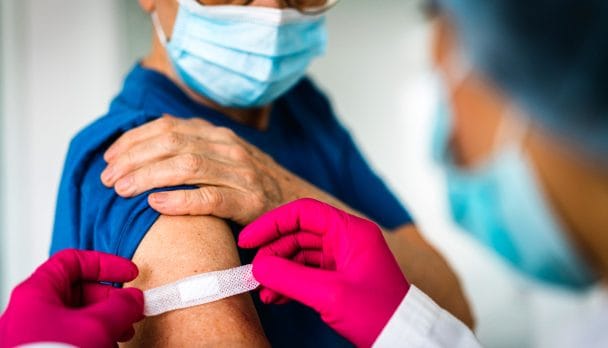
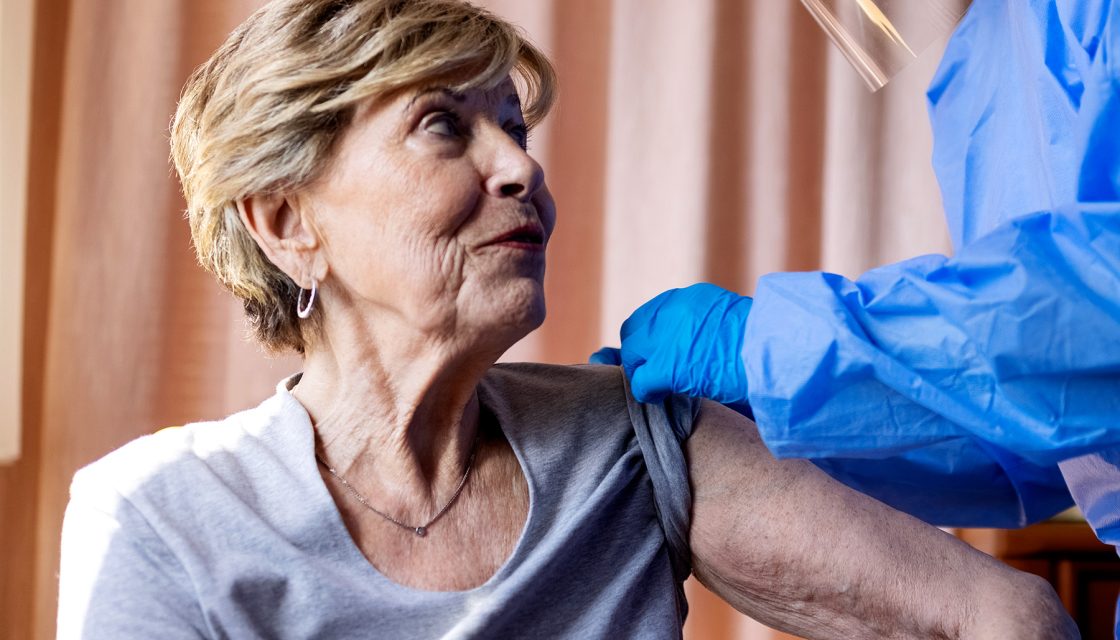
Vaccination is the best way to protect against serious pneumococcal disease. Several vaccines are routinely recommended in the United States. Below are some helpful facts about the pneumococcal vaccine:
Who can get pneumococcal disease vaccines?
Vaccination against pneumococcal disease is recommended for:
- All children younger than 5 years of age.
- All adults age 65 years and older.
- Individuals ages 5 to 64 years with some chronic health conditions, weakened immune systems or other risk factors.
Your healthcare team helps you choose the right vaccine for you
Your healthcare team will likely consider:
- Vaccine recommendations by age and risk group.
- The pneumococcal vaccines you have previously received.
- Your history of a serious, life-threatening allergic reaction known as anaphylaxis.
- Your medications or treatments for other health issues you may have.
What you can expect after getting the vaccine
Depending on the vaccine you receive, you may need booster shots or multiple doses. As with other vaccines, you may experience:
- Injection site pain, tenderness, swelling or redness
- Loss of appetite.
- Fatigue.
- Headache.
- Fatigue.
- Muscle pain or joint aches.
- Fever or chills.
Many of these symptoms signal that your immune system is responding appropriately to the vaccine. Be sure to talk with your healthcare professional about other symptoms or additional questions.
Mayo Clinic does not endorse companies or products. Advertising revenue supports our not-for-profit mission.
Relevant reading
Mayo Clinic Guide to Self-Care, 7th Edition
Nearly two decades ago, Philip T. Hagen, M.D., had a vision for developing a Mayo Clinic guide for consumers that would empower people to take charge of their health. He called on his colleagues to share their expertise on more than 150 topics. Today, that number has grown to more…