
Mayo Clinic does not endorse companies or products. Advertising revenue supports our not-for-profit mission.
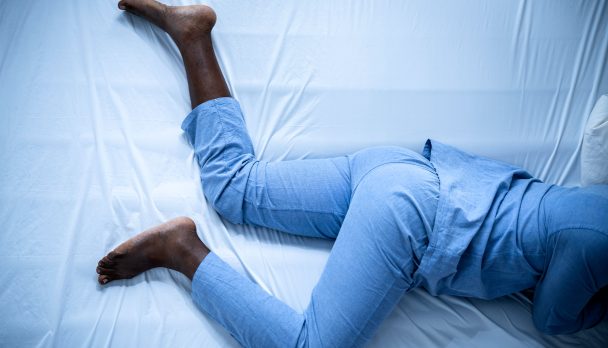
What you wouldn’t give to enjoy a good night’s sleep again. Think back to your teens and early 20s when you may have fallen asleep the minute your head hit the pillow and would sleep so soundly that you barely moved. Those nights might seem like a faded dream. Now, sleep is often a struggle. You may have trouble falling asleep. During the night, you may toss and turn and wake up several times and find it hard to get back to sleep. In the morning, you may find yourself up with the birds, despite having a restless night. And because you aren’t sleeping well, you may feel tired during the daytime.
As with other changes taking place in your life, it’s easy to blame your sleep problems on menopause. But the truth is, your hormones are only partly to blame. There’s no doubt that menopause can make getting a good night’s sleep more difficult, but it’s just one piece of a larger puzzle. Many factors affect your ability to sleep. As you age, your body and your life circumstances change. The overall effect of these changes often makes good sleep harder to come by in the second half of your life.
The good news is you don’t have to live with poor sleep, dragging yourself through each day. Conditions such as insomnia, sleep apnea and restless legs syndrome can be treated. By understanding the changes happening in your life and how they may be affecting your sleep, you can take steps to help ensure that you get a good night’s rest.
How sleep changes in the menopausal years
If you’re frustrated because you aren’t sleeping well, you’re not alone. Somewhere between 40% and 60% of women report having sleep problems during the menopausal years. This fits with studies showing that the closer women get to menopause, the more sleep troubles they experience. Common complaints include having difficulty falling asleep, waking up in the middle of the night and awakening early in the morning. It may not be surprising to you that poor sleep is often second only to hot flashes as the most common complaint of women going through the menopause transition.
The reasons behind sleep problems around this time of life are still being investigated. While some studies point to declining hormone levels as the reason you’re not sleeping well, others suggest that the main culprit is the natural aging process. The most likely possibility is an intermingling of the two — your age and your hormones are both working against you.
Some of the factors that can contribute to poor sleep include:
Reduced hormones
Beginning at around age 40 — although it can happen later — your ovaries gradually begin producing decreased amounts of estrogen and progesterone. These hormones have a wide range of effects, including on specific brain chemicals (neurotransmitters) that help promote sleep. So it makes sense that as hormone production gradually declines, the simple act of falling asleep and staying asleep may become more difficult.
Related conditions
While the decline in hormone levels may impact sleep during menopause, other conditions related to these hormonal changes often play a major role.
A prime example is hot flashes. Night sweats — hot flashes that occur at night — may leave you hot and sweating one moment and cold and shivering the next, making it tough to sleep. Some women even need to get up and change their clothes after a particularly drenching episode. If you’re among the many women who struggle with hot flashes, your inability to get a good night’s sleep is closely tied to the hot-and-cold routine you dance to each night.
In addition, obstructive sleep apnea and restless legs syndrome are more common after menopause, and these can also interfere with sleep. At least one study found that more than half the women who complained of trouble sleeping during menopause had sleep apnea, restless legs or both.
Natural aging
Research suggests that sleep quality naturally worsens over time. In other words, loss of sleep is an effect of natural aging, completely independent of any effects from declining hormones.
Life circumstances
As you transition through midlife, there may be a lot going on. In addition to changing hormones and natural aging, you may be dealing with all kinds of other life changes, some of them significant. Often, these changes produce stress, which in turn can mess with your ability to sleep. When you’re experiencing menopause, it’s easy to blame everything on your hormones — or lack of them. But is that always the true cause? Consider:
- Stressful events. Like many women in midlife, you may find yourself dealing with major life challenges. Job-related issues, loss of life partners through divorce or death, children moving away, and — living in the sandwich generation — caregiving for elderly parents. During the day when you’re busy, you may be able to avoid dwelling on it all. But at night, when you try to rest and relax, the worry and anxiety may put on an all-night show, hampering your ability to sleep.
- Changing routines. You may find that as you get older, you’re less physically or socially active than you once were. A lack of activity can interfere with a good night’s sleep. Also, the less active you are, the more likely you may be to take a nap during the day, making it more difficult to sleep at night. Even if you’re socializing more now that kids are older or gone, an extra glass of wine you’re having at night could also be causing sleep difficulty.
- Health issues. Midlife is often when medical conditions develop that can interfere with sleep, such as back problems or arthritis. You may begin experiencing bladder problems and find yourself waking up at night to go to the bathroom. What’s more, the older you get, the more likely you are to take medications, some of which can interfere with sleep. Common medications that can affect sleep are bronchodilators, steroids, thyroid hormones and certain antidepressants.
Sleep history
Has sleep always been a problem for you? Some research suggests that your ability to sleep during your younger years may predict how well you’ll sleep in later years. If you had trouble sleeping in your 30s and 40s, you may be significantly more likely to experience sleep difficulties compared to someone who had an easier time sleeping when they were younger. If you also experience hot flashes during menopause, you’re even more likely to have sleep issues.
What can I do about sleep problems that come with menopause?
The key message here is that often it’s not just one thing that’s making sleep harder as you enter menopause but several issues all mixed together. The bigger question, of course, is, What can you do about it?
The first step is to try and peel back the layers to find the source of the unrest. Is it stress? Hormones? Aging? Is it a combination of several things? If your sleep troubles are moderate to severe, you may need the guidance of your health care provider to help decipher the possible causes and determine potential treatments.
A number of options exist to treat menopause-related insomnia. For milder symptoms, a few changes to your daily and nightly routines may do the trick. Alternative therapies to improve sleep are also coming to the forefront. For more-severe symptoms, cognitive behavioral therapy or certain medications may be helpful. If your difficult nights are a result of obstructive sleep apnea or restless legs syndrome, those conditions can be successfully treated too. Talk to your healthcare team to learn more.
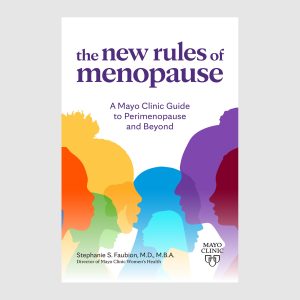
A version of this text appears in The New Rules of Menopause.
Mayo Clinic does not endorse companies or products. Advertising revenue supports our not-for-profit mission.
Relevant reading
Anxiety Coach
An essential resource to address anxiety disorders and OCD in children and teenagers, from a prominent researcher and psychologist at Mayo Clinic.