
A common misconception is that exercise aggravates pain. To the contrary, exercise can help reduce it.
During physical activity, your body releases chemicals called endorphins and enkephalins that block pain signals from reaching your brain. These chemicals also help alleviate anxiety and depression, conditions that can make your pain more difficult to manage. In addition, exercise strengthens muscles and ligaments, reducing stress on painful joints.
However, many people bothered by chronic pain don’t exercise. Perhaps you’re one of them. Maybe you tried exercising, but when you did, your pain was worse the next day, so you stopped. This is sometimes referred to as the “crash and burn” experience.
When you begin to exercise, your pain may worsen before it improves. The key is to increase your activity level gradually. It’s also important to make exercise a daily habit. Every day, move a little more. With time, you’ll have less pain and you’ll feel better about yourself.
It’s always a good idea to talk with your doctor before starting any type of physical activity program. If you have another health problem or you’re at risk of cardiovascular disease, you may need to take some precautions while you exercise.
It’s especially important that you see your doctor if you:
- Have blood pressure of 160/100 millimeters of mercury or higher.
- Have diabetes or heart, lung or kidney disease.
- Are a man age 40 or older or a woman age 50 or older and haven’t had a recent physical examination.
- Have a family history of heart-related problems before age 55.
- Are unsure of your health status.
- Have previously experienced chest discomfort, shortness of breath or dizziness during exercise or strenuous activity.
Building strength to relieve chronic pain
It’s important to regularly include exercises that improve flexibility, exercises that improve aerobic capacity, and exercises that build strength. Below are some suggestions for strength-building exercises.
Strong muscles improve your physical fitness and reduce fatigue. They also make it easier to carry out more vigorous types of daily activities, such as bringing laundry up and down stairs or lifting items at work.
Include strengthening exercises at least three days a week. If your goal is to build strength in a weakened or painful joint, include strengthening exercises in your routine five days a week. If you’re just starting out, begin with five repetitions of each of the below exercises and slowly build to 25 repetitions by adding one repetition each day.
Here are three exercises to try.
Abdominal strengthening exercise
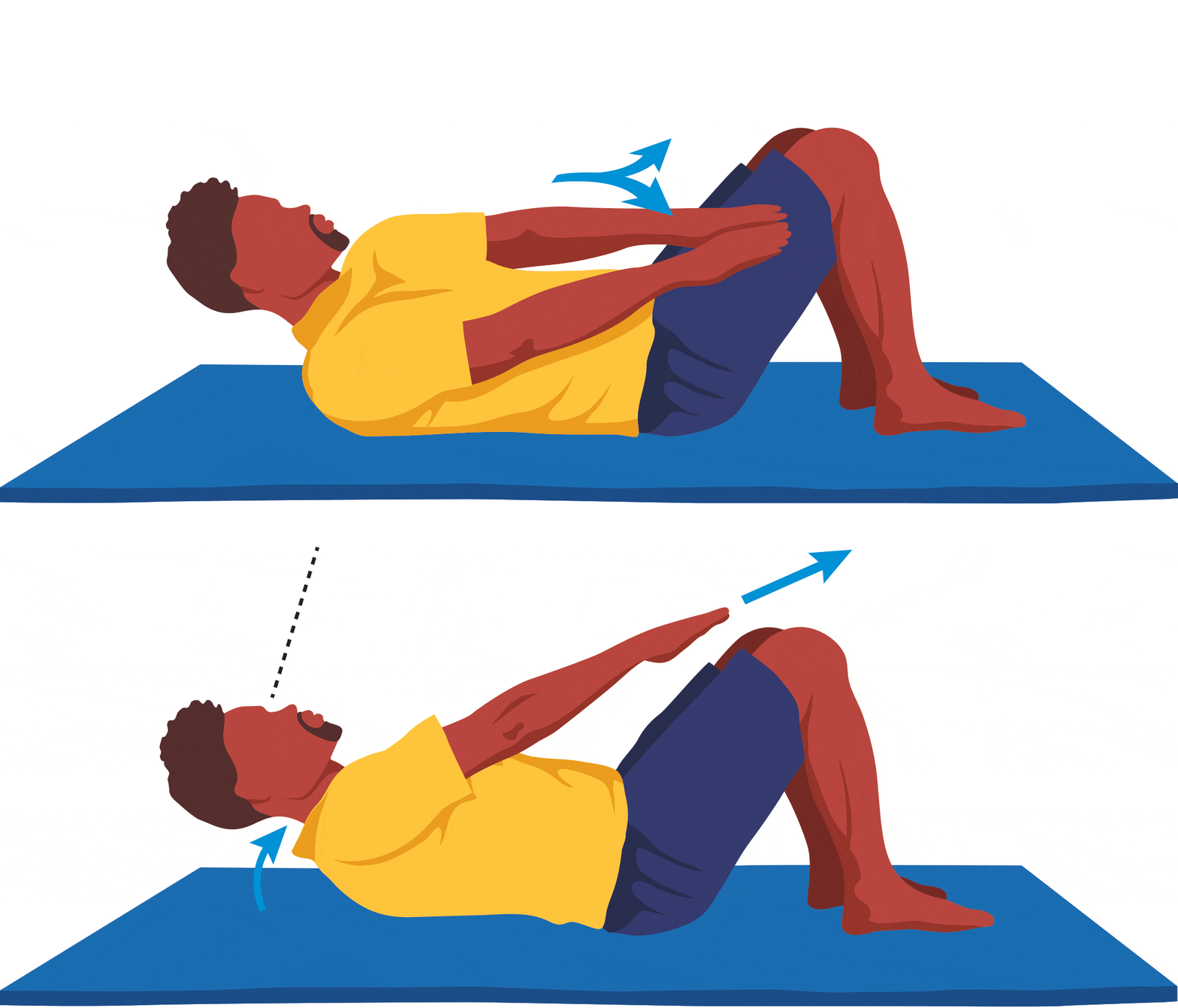
Lie on the floor or a firm surface with your knees bent. Raise your head and shoulders so that your shoulder blades lift off the floor or surface. Keep your head in a neutral position. Bring your head and shoulders back down. Caution: Don’t do this exercise if you have osteoporosis.
Repeat the stretch, reaching both hands toward your left knee. Relax and repeat with the right knee. Skip this part if it bothers your neck or you have osteoporosis.
Back strengthening exercise
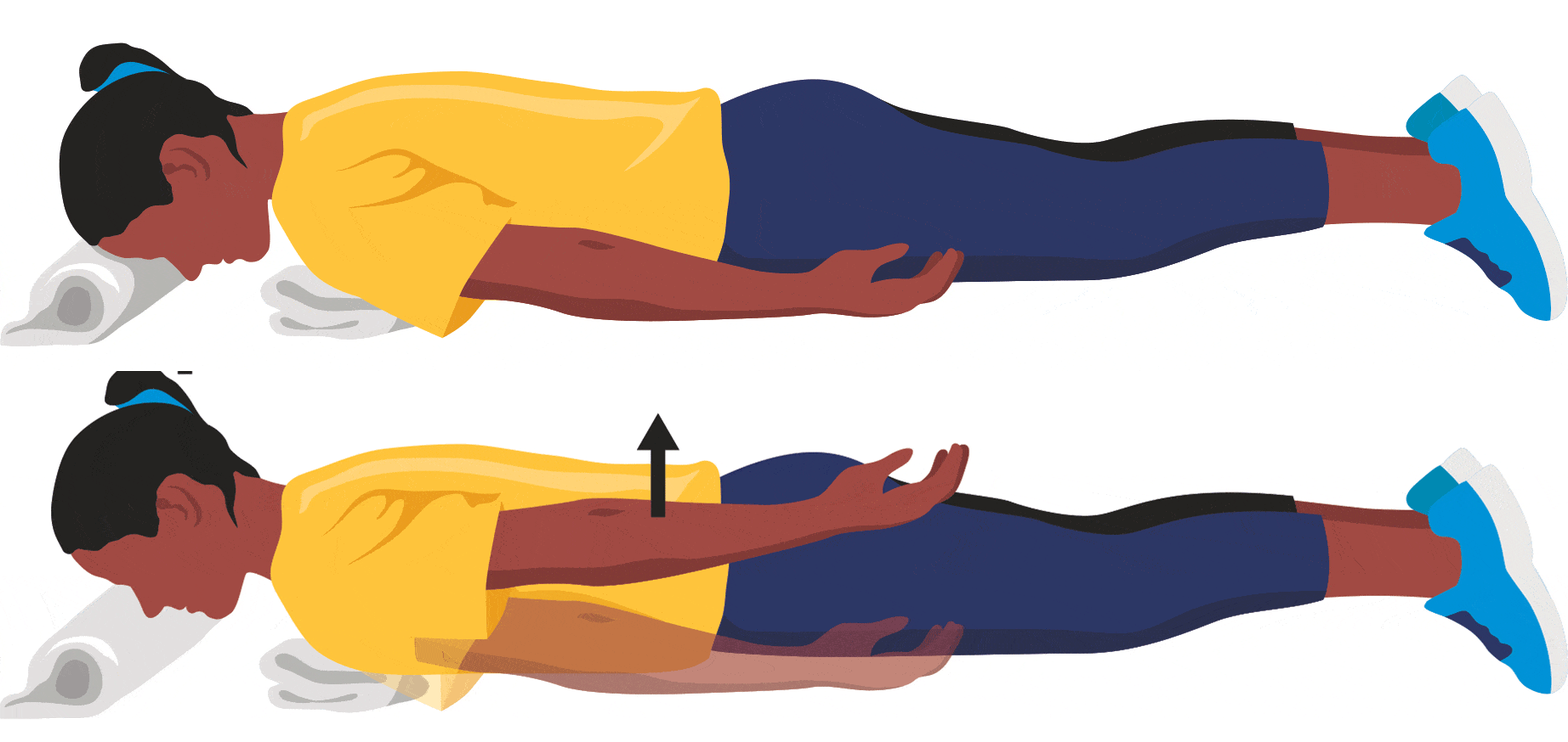
Lie face down on top of one or two large pillows with a folded towel under your forehead. Position the pillow(s) under your bellybutton to keep your spine in a neutral position. Place your hands at your sides. Pulling your shoulder blades together, raise your head and chest. Keep your neck relaxed. Return to the starting position and repeat. Don’t arch.
Chest and arm strengthening exercise
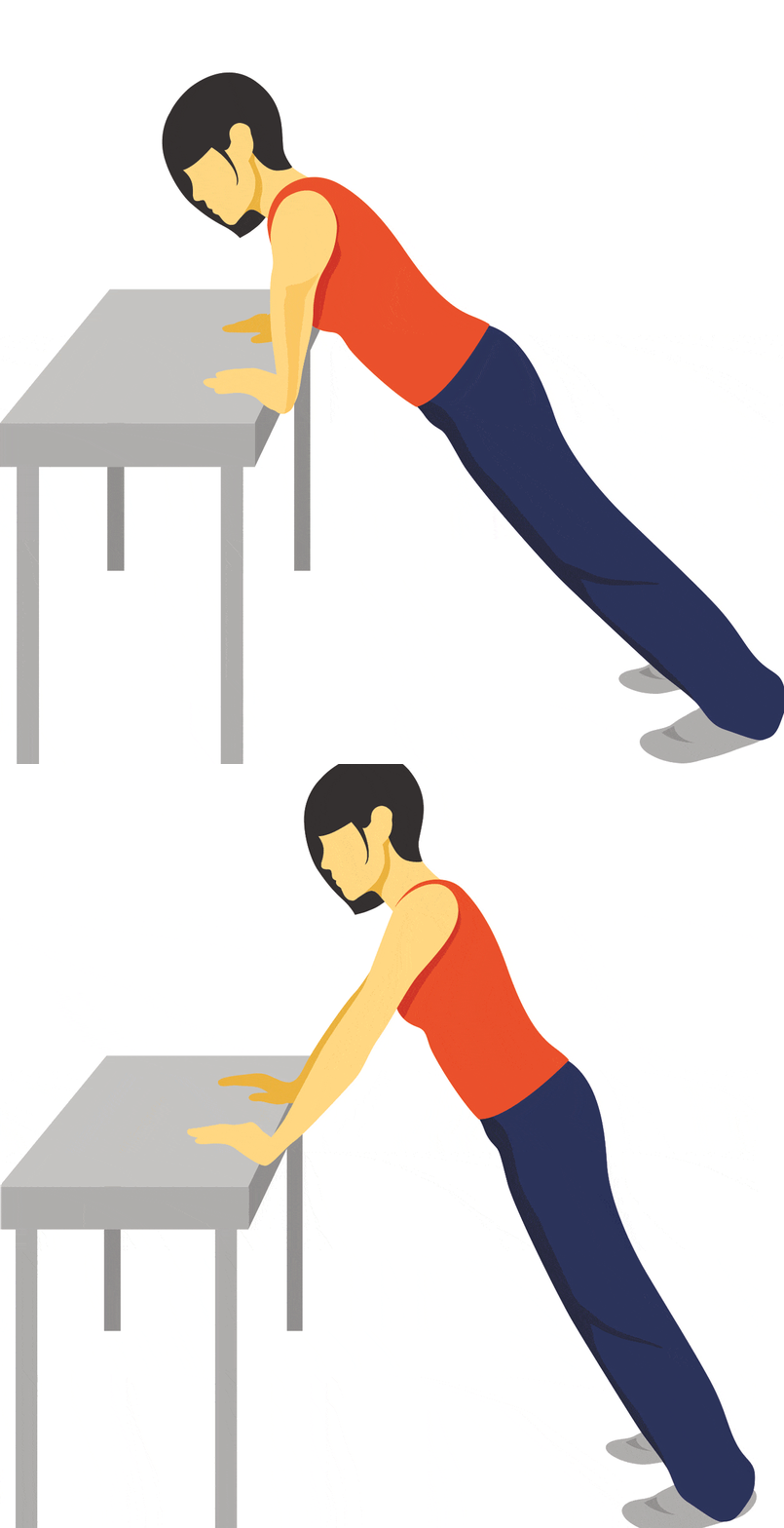
Stand facing a table, far enough away that you can place your palms on the table with your elbows slightly bent. Slowly bend your elbows and lean toward the table. Straighten your arms and return to a standing position. Repeat. As you build strength, try standing farther from the table. You can also do these exercises with your palms against a wall rather than on a table.
This is an excerpt from the Mayo Clinic Press book “Mayo Clinic Guide to Pain Relief.”
Relevant reading
My Life Beyond Bullying
When some kids at Alex’s new school start bullying him, he just wants to escape. He feels guilty and stressed about what’s happening. But what can he do? The challenges Alex experienced are common. Still, there are important steps you can take when you or someone you know is being…