
A common concern with a new prescription is how to pay for it.
There’s no easy solution that fits everyone. Medication costs vary. So does each person’s situation. Some people can take a generic medication and have insurance that covers their prescriptions. Others are prescribed multiple medications and have limited or no drug coverage.
Mayo Clinic pharmacist Carrie A. Krieger, Pharm.D., R.Ph., helps patients manage their medications. Here, she offers tips for finding the best price.
Check your health insurance formulary. If you have prescription drug coverage, your policy comes with a formulary. This is a list of medications your plan covers. The formulary might be divided into tiers with a different copay (the amount you pay out of pocket) for each tier.
If the medication your health care provider prescribed isn’t on your formulary, ask your provider or pharmacist about alternatives.
Use the preferred pharmacy. Your health insurance plan might have an arrangement with a pharmacy that saves you money. Sometimes the preferred pharmacy is mail order. Check with your health insurance company.
Fill all your prescriptions at the same pharmacy. This gives the pharmacist a chance to review all of your medications together. The pharmacist can also help identify and eliminate duplicate prescriptions from different health care providers.
Ask questions. When your health care provider prescribes a new medication, make sure you understand what it’s for and how long you’re supposed to take it.
It’s not uncommon for people to continue taking nonprescription medications that were intended to be short-term or occasional solutions. Taking only the medication you need, and not more is one way to save money.
Get a medication review. Pharmacies, clinics and health insurance companies offer medication reviews. At these meetings, a pharmacist will review your medications and supplements for possible interactions or duplicates.
“We want to know everything,” Krieger says. “Over the counter is equally important in the big picture.”
Use an app. If you don’t have prescription drug insurance or your policy doesn’t cover your medication, search for your medication on apps like GoodRx or RxSaver. The apps let you compare prices at different pharmacies and show you coupons that are available.
Krieger recommends calling your pharmacy to confirm prices since the apps can sometimes be wrong.
Ask for help. Many clinics and hospital systems have social workers on staff. Social workers can connect you to resources that help with health care costs.
Relevant reading
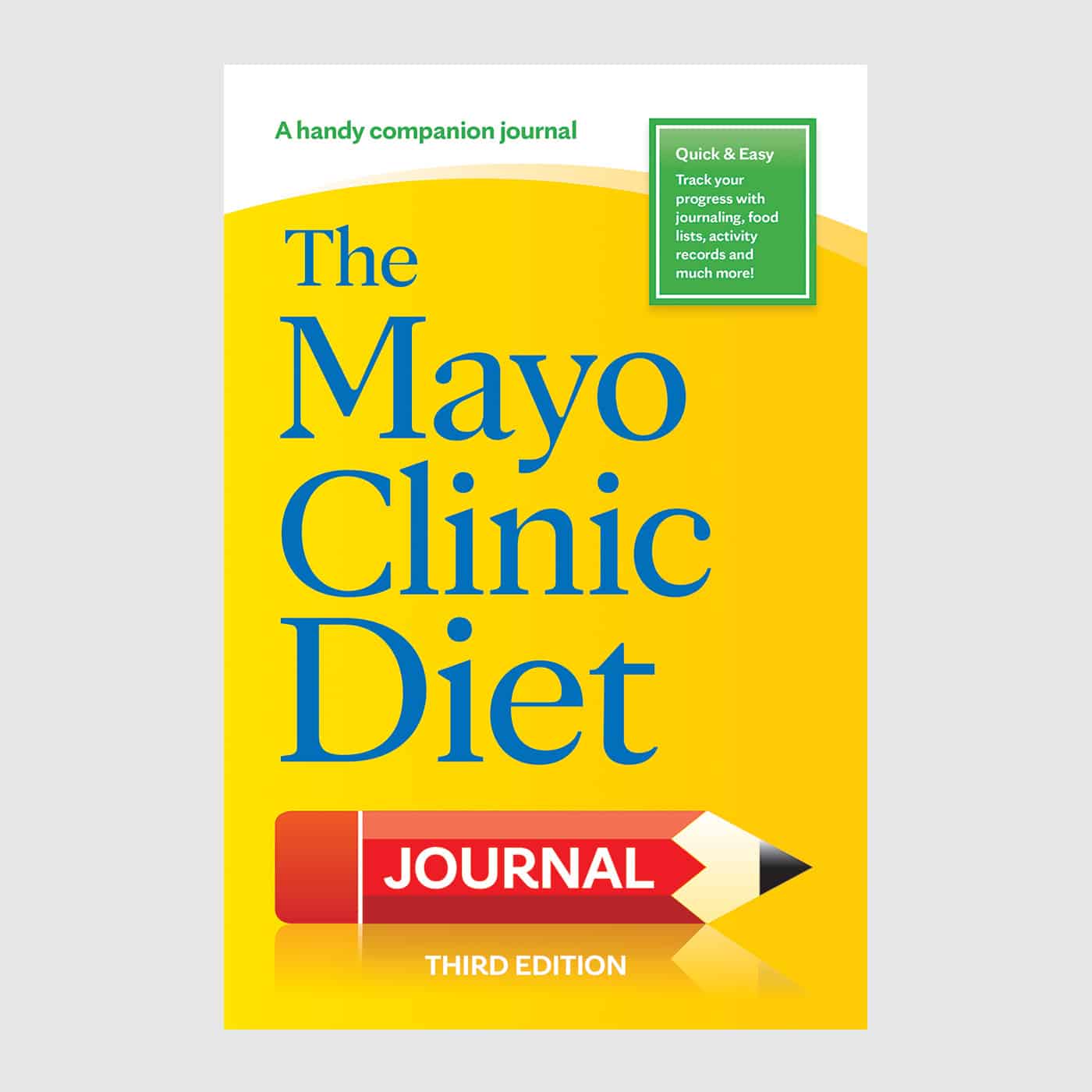
The Mayo Clinic Diet Journal, Third Edition
This handy companion to The Mayo Clinic Diet is not your typical journal. The 224 pages of The Mayo Clinic Diet Journal will help you plan, track and review your progress over 10 weeks as you follow the program described in the #1 New York Times bestseller, The Mayo Clinic Diet.