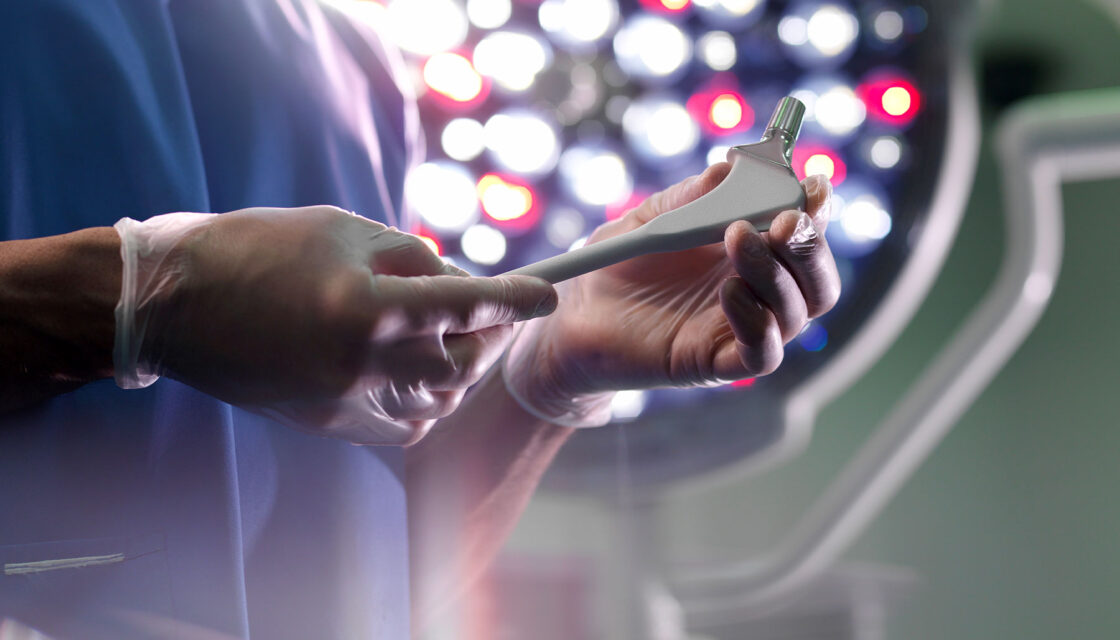
Wear and tear of the hip and hip pain can happen at any age but are more likely to occur in your 50s and beyond. When gradually worsening hip pain becomes severe and other pain management strategies have been tried and exhausted, it may be time to consider a hip replacement surgery.
Significant advances in technology and research have made hip replacement procedures more broadly available, and recovery times faster. Annually, more than 350,000 people have a hip replacement in the U.S. This number is expected to grow substantially in coming decades due to the aging population.
As the largest ball-and-socket joint in the body, the hip is designed to bear weight and allow for a wide range of motion. It includes the femoral head — that’s the ball-like head of the thigh bone (femur). The femoral head fits deeply into the hip socket, called the acetabulum (as-uh-TAB-u-lum), and the joint is supported by muscles and tendons. Cartilage — a firm, slippery tissue — sits at both ends of the joint, enabling nearly frictionless motion.
Discover Health Letters
Get full access to reliable information for a healthier life:
- Insights from over 3,700 physicians
- Deep dives into serious & complex conditions
- Curated latest medical research