Endoscopy is a nonsurgical procedure used to visually examine the digestive system with a tiny camera on the end of a long, flexible tube. An upper endoscopy examines the stomach, esophagus and small intestines. A colonoscopy, which is another type of endoscopy, is used to examine the rectum, large intestine and colon.
In children, endoscopy can be used to look for causes of unexplained abdominal pain, to diagnose swallowing disorders or to identify conditions including Crohn’s disease, ulcerative colitis and polyps.
Undergoing any type of procedure can be stressful for kids, parents or caregivers. Pua Hopson, a pediatric gastroenterologist at Mayo Clinic Children’s Center, explains endoscopy is a relatively quick and painless procedure.
“An upper endoscopy typically takes 10 minutes, while colonoscopy may take 30 minutes,” says Dr. Hopson. “I tell the kids it takes longer to put them to sleep with anesthesia or sedation than the actual procedure. And once you wake up, your parents will be right by your side.”
One condition Dr. Hopson commonly treats in children is eosinophilic esophagitis(e-o-sin-o-FILL-ik uh-sof-uh-JIE-tis), known as EoE. This is a chronic immune system disease in which a type of white blood cell (eosinophil) builds up in the lining of the esophagus. This buildup, which is a reaction to foods, allergens or acid reflux, can inflame or injure the esophageal tissue. Damaged esophageal tissue can lead to difficulty swallowing or cause food to get stuck when you swallow. EoE is diagnosed through biopsy using an upper endoscopy.
Relevant reading
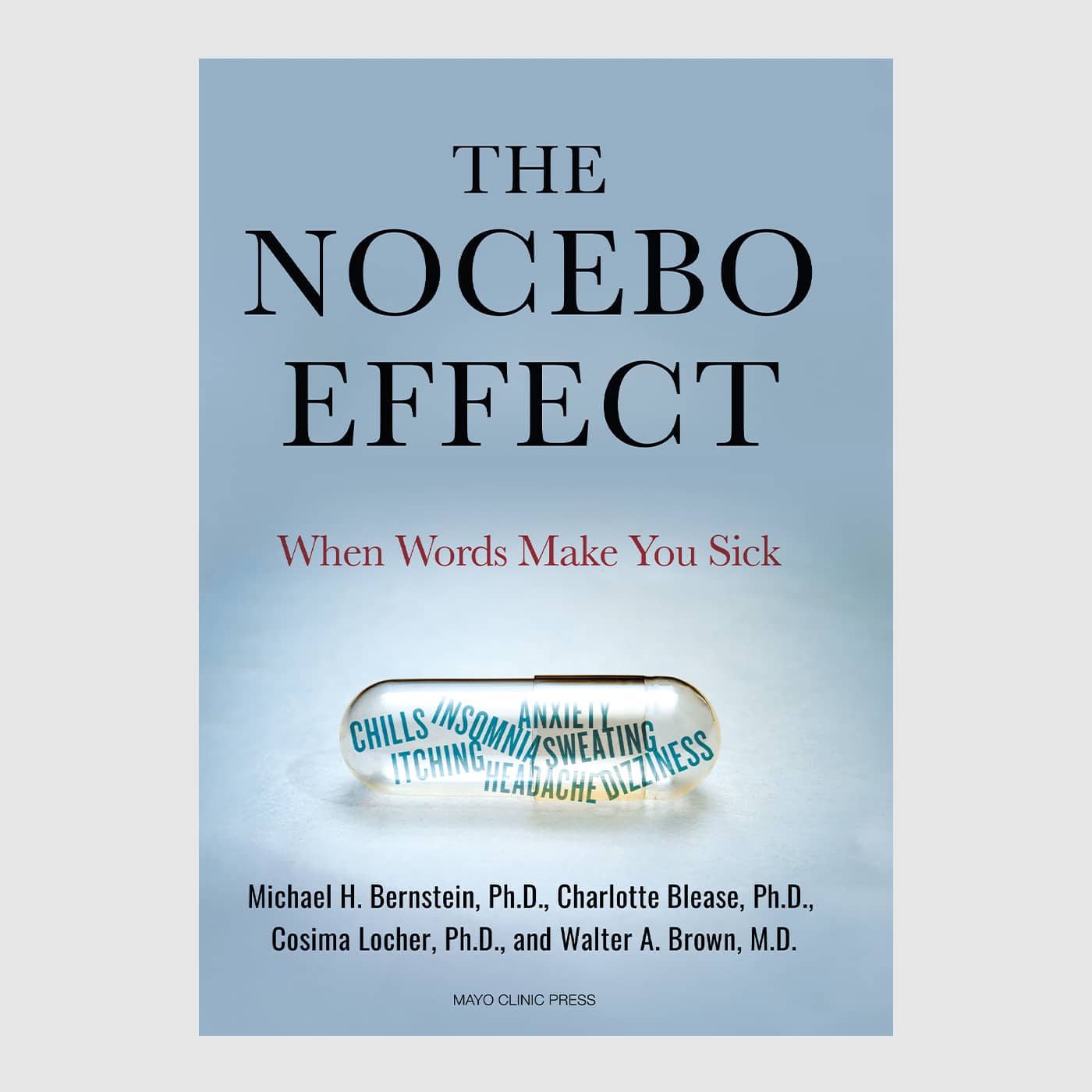
The Nocebo Effect
We are just discovering the power behind The Nocebo Effect, as explored in the groundbreaking work of a dozen top level researchers. Most importantly, researchers have investigated strategies that can be adopted by both clinicians and patients to reduce the nocebo effect.
Want more children’s health and parenting information? Sign up for free to our email list.
Subscribe Open parent optin subscribe modal