Children with cerebral palsy may require lifelong care from a medical care team, but early intervention and treatments can improve function.
Cerebral palsy is a group of disorders that affect movement and muscle tone or posture. It’s caused by damage that occurs to the immature, developing brain, most often before birth. Signs and symptoms appear during infancy or preschool years. In general, cerebral palsy causes impaired movement associated with exaggerated reflexes, floppiness or spasticity of the limbs and trunk, unusual posture, involuntary movements and unsteady walking, or some combination thereof.
For children with cerebral palsy, the care team likely will include a pediatrician or physical medicine and rehabilitation specialist, a pediatric neurologist, and a variety of therapists and mental health specialists. These experts give special attention to needs and issues that are more common in people with cerebral palsy, and they can work together with the primary care provider to develop a treatment plan.
On the Mayo Clinic Q&A podcast, Ask the Mayo Mom host Dr. Angela Mattke, a Mayo Clinic pediatrician, is joined by Mayo Clinic Children’s Center expert Dr. Joline Brandenburg, a physical medicine and rehabilitation specialist, to discuss important aspects of health for children with neurodevelopmental disabilities and what families and health care professionals can do to offer support.
Relevant reading
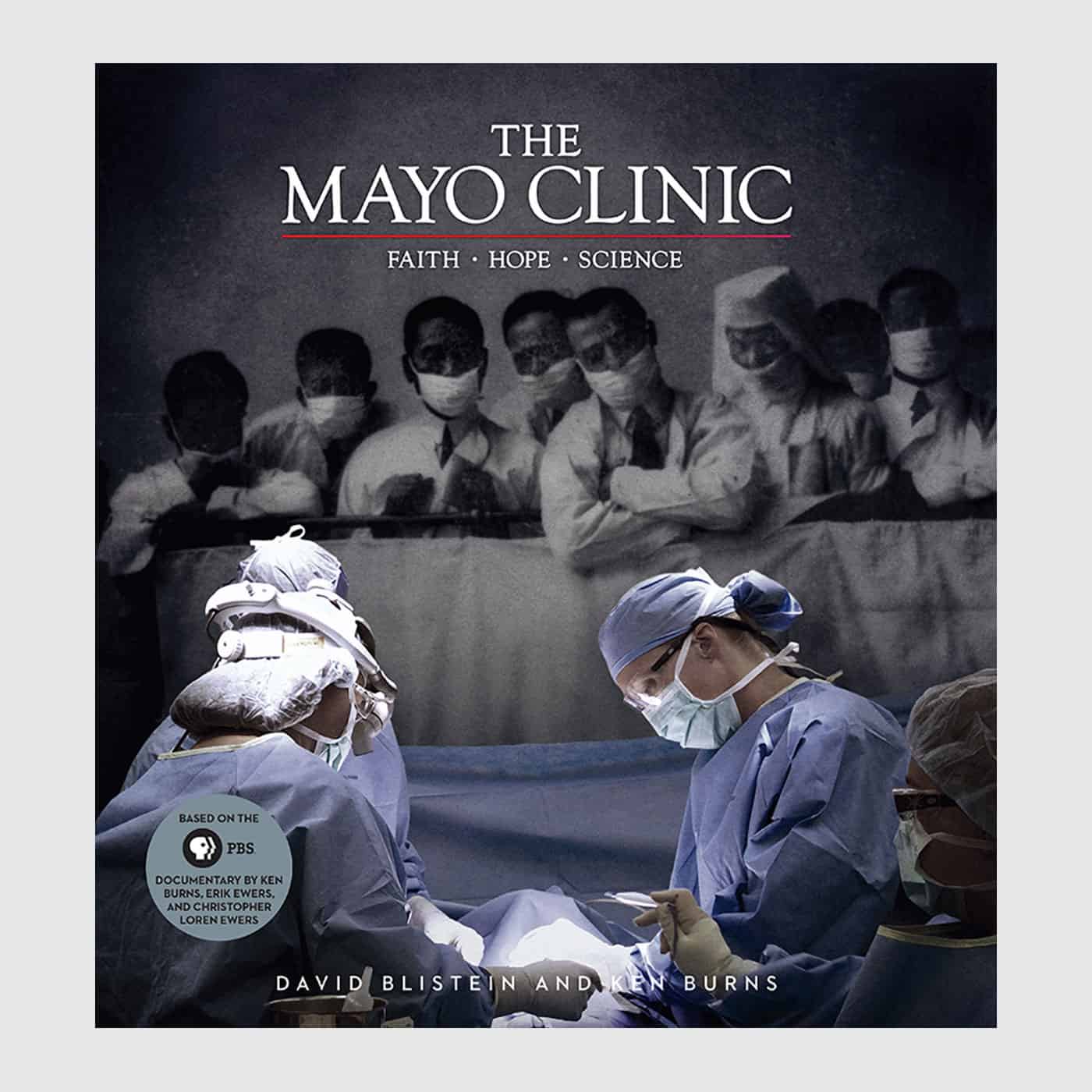
The Mayo Clinic: Faith – Hope – Science
The Mayo Clinic: Faith – Hope – Science is the companion book to the two-hour PBS documentary of the same title. This book features interviews with patients including John McCain and the Dalai Lama and tells the story of William Worrall Mayo, an English immigrant who began practicing medicine with…
Want more children’s health and parenting information? Sign up for free to our email list.
Subscribe Open parent optin subscribe modal