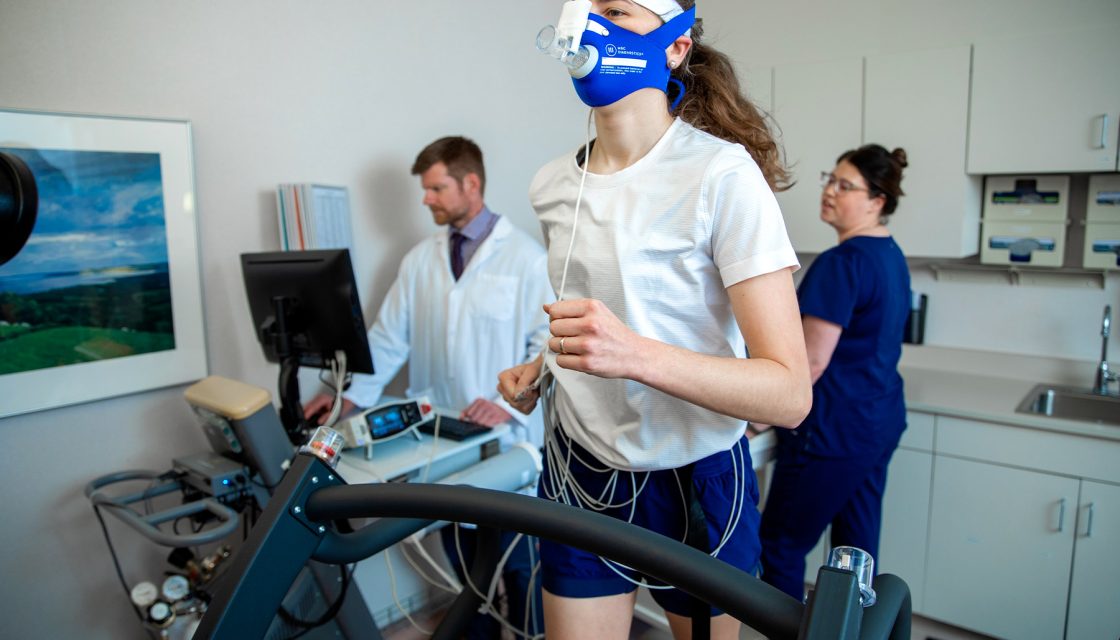
A stress test — also referred to as a stress exercise test — uses physical activity to assess how well the heart is functioning.
But despite the name, a heart test should not be a point of stress in your life, according to Stephen Kopecky, M.D., a Mayo Clinic cardiologist.
In practice, a stress test is a relatively brief, noninvasive assessment that measures how the heart muscle responds to the bodily stress of physical activity. As you exercise, the body places a greater workload on the heart, causing it to pump blood harder and faster to keep up with exertion. The stress test assesses heart rate and blood flow during this process to determine whether there are any issues.
What happens during a heart stress test?
A stress test typically involves walking on a treadmill or riding a stationary bike while under the supervision of a healthcare team. As you exercise, the care team continuously monitors blood pressure, heart rhythm and breathing. Depending on your needs, your healthcare team may use additional imaging tools or an electrocardiogram (ECG) to measure the heart’s electrical impulses.
Though the exact protocol for each test and person varies, you can generally expect the exercise to start out easy and get slightly more challenging as the test goes on. For example, every three minutes, the treadmill increases slightly in speed and incline. This incrementally puts a bit more stress on the heart muscle. The exact length of the test can vary, but it typically lasts around 15 minutes.
However, the point of the test is to put stress on your heart — not you. It is important to communicate with your healthcare team throughout the test and avoid pushing yourself beyond your physical limits.
“Typically, you can walk as far as you feel comfortable,” says Dr. Kopecky. “If you develop any significant symptoms like chest pain, shortness of breath or dizziness, you should let your healthcare team know immediately. The test can be stopped whenever you feel it is best.”
As a good rule of thumb, Dr. Kopecky says you should wear shoes and clothes you feel comfortable walking in. Your healthcare team advises you on exactly how to prepare for the test. You may be asked not to eat, drink, smoke or consume caffeine before the test. Additionally, you should talk with your healthcare team about any medications you take, as some can impact the results of the test.
However, not everyone who needs a stress test can safely use a treadmill or stationary bike. In these situations, there are certain medications that can increase blood flow to the heart and mimic the effects of exercise. If you are concerned about your ability to complete a traditional stress test, talk with your healthcare team about alternate options.
What does a heart stress test evaluate?
According to Dr. Kopecky, a heart stress test has three main purposes — to diagnose heart conditions, assess cardiovascular risk, and guide treatment and physical activity regimens.
First, as a diagnostic tool, a heart stress test can assess the heart for a number of conditions, including arrhythmia, coronary artery disease, pulmonary artery hypertension and aortic stenosis. Additionally, a stress test can help assess the risk of certain cardiovascular conditions, including heart attack.
For most people, performance during a stress test may not come as a surprise. “If someone says, ‘I used to walk up the hill and now I have a hard time or can’t do it anymore,’ the treadmill shows that,” Dr. Kopecky says. “The question becomes, is that due to low blood flow to the heart, a developing heart condition or simple deconditioning? Often, the answer is deconditioning, but the test helps tell exactly what is going on with the heart and point to a diagnosis.”
Second, a stress test can help check how the heart is performing when there is a previously known heart condition. For example, if you have heart failure, cardiomyopathy or certain types of heart disease, or if you’re preparing for or recovering from surgery, you may benefit from a stress test. The results can give your healthcare team insight into your condition, how effective your current treatment is, and how to plan the best care methods moving forward.
Finally, Dr. Kopecky says a heart stress test can help healthcare professionals determine your fitness level and develop a safe and effective exercise regimen.
Who should get a heart stress test?
“In general, healthcare professionals don’t recommend stress tests on a regular basis, or just to do them,” says Dr. Kopecky. In other words, a heart stress test is rarely used as a standard screening or assessment tool. For the most part, a stress test is only beneficial in certain circumstances, including:
- To diagnose people already experiencing certain cardiovascular symptoms, such as heart palpitations, tightness or pressure in the chest (angina), chest pain or shortness of breath with exercise.
- To monitor people previously diagnosed with certain heart conditions, including coronary artery disease.
- To assess a treatment’s effectiveness or to develop a treatment plan for those already diagnosed with a heart condition.
- To determine whether someone can tolerate surgery.
- Sometimes, to evaluate overall physical capacity, the progression of a chronic condition or the effectiveness of a new exercise program in children and teens.
A stress test isn’t an appropriate tool for people with certain conditions, including severe cardiac arrhythmias, malignant hypertension and symptomatic severe aortic stenosis.
If you are concerned about your heart health, or are experiencing undiagnosed cardiovascular symptoms, talk with your healthcare team about the best assessment options for you.
Relevant reading
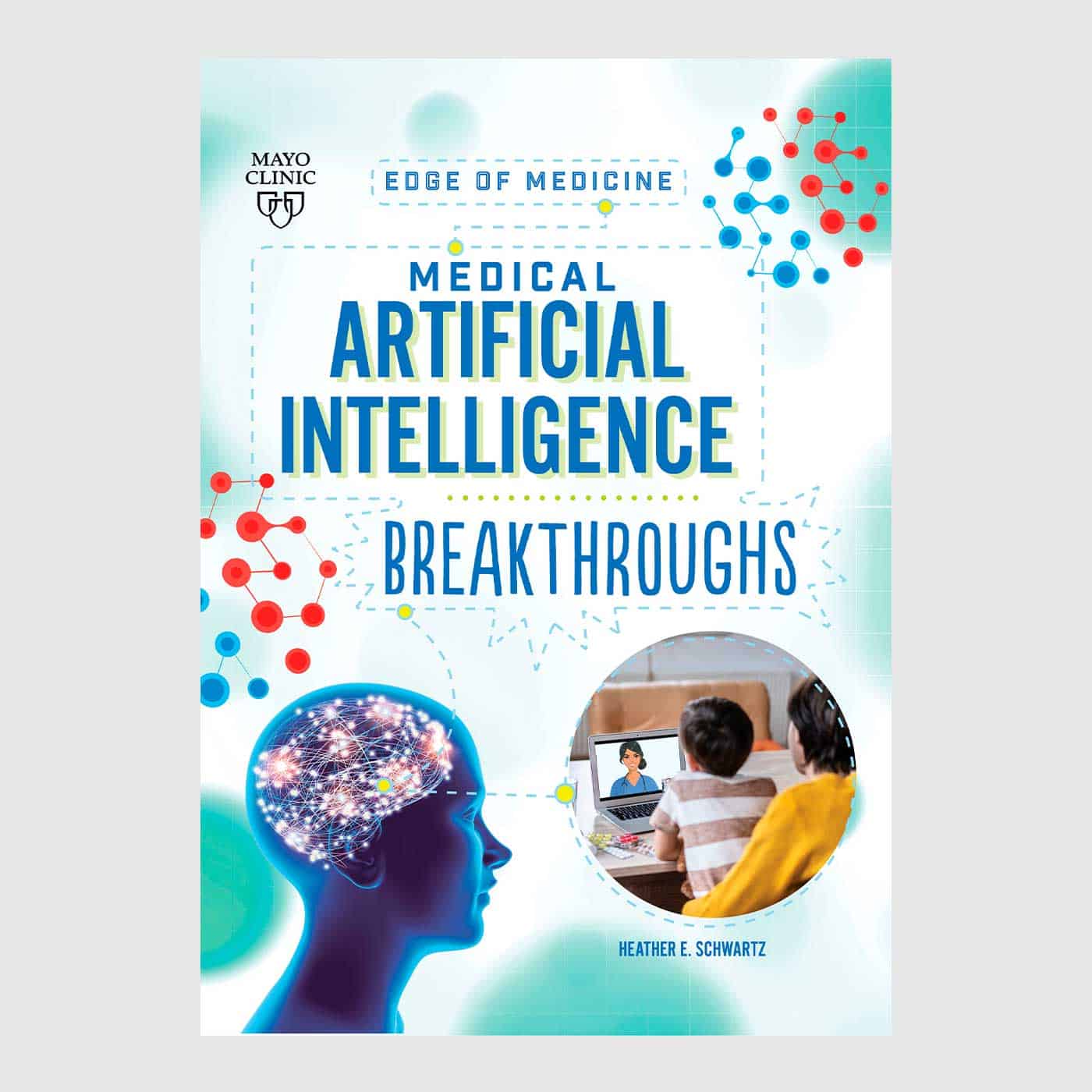
Medical Artificial Intelligence Breakthroughs
From machine learning to virtual surgery practice, this exploration of scientific inquiry celebrates the greatest developments to date in medical artificial intelligence. Get to know the physicians, scientists, and other researchers responsible for these breakthroughs in medicine, and explore the ups, the downs, and the eureka moments that are science…