
Mayo Clinic Guide to Home Remedies is the perfect guidebook for Mayo Clinic expert advice on 130 of the most common health conditions. With step-by-step self-care guidance, this book can help you return to health quicker, reduce visits to the doctor — or let you know when it’s time to see a medical professional. The following excerpt discusses shin splints, a common source of lower leg pain for runners and other active people. It’s just one example of the many health conditions covered in the book, with facts on their cause, prevention tips, and potential treatment advice.
The term shin splints refers to pain along the shinbone (tibia), the large bone in the front of your lower leg. The pain is caused by inflammation in the bone and where the muscles attach to bone.
Shin splints are associated with athletic activity and are typically a result of overuse — training too hard, too fast or for too long. The condition commonly occurs with runners, basketball players, dancers, tennis players and army recruits.
If you develop shin splints, you may notice:
• Tenderness, soreness or a dull, achy pain along the inner part of your lower leg where the shinbone is located.
• Mild swelling.
At first, the pain may stop when you stop running or exercising. Eventually, however, it may become continuous.
Home remedies
In most cases, you can treat shin splints with some simple selfcare steps:
• Rest. Avoid activities that cause pain, swelling or discomfort— but don’t give up all activity. While you’re healing, trylow-impact exercises such as swimming or bicycling. If paincauses you to limp, consider using crutches until you can walknormally.
• Ice the affected area. Apply ice packs for 15 to 20 minutes 4 to 8 times a day for several days. To protect your skin, wrap the ice packs in a thin towel.
• Reduce swelling. Elevate the shin above the level of your heart, especially at night. During the day, it may help to compress the area with an elastic bandage or compression sleeve — but loosen the wrap if the pain increases or the area becomes numb.
• Take an over-the-counter pain reliever. Try ibuprofen (Advil, Motrin IB, others), naproxen sodium (Aleve) or acetaminophen (Tylenol, others) to reduce pain. See page 63 for more infomation.
• Wear proper shoes. Your doctor may recommend a shoe that’s especially suited for your foot type, stride and particular sport.
• Stretch. Perform exercises to stretch the calf muscles.
• Consider arch supports. Arch supports can help cushion and disperse stress on your shinbones.
• Resume usual activities gradually. Returning to usual activities too soon, before you heal, may cause continued pain and prolong your recovery.
Prevention
To prevent shin splints:
• Warm up your leg muscles before running or performing physical activities involving the legs. You might begin by slowly jogging to loosen the muscles in your legs and feet.
• Consider arch supports to prevent shin pain, especially if you have flat feet or high arches.
• Cross-train with a sport that places less impact on your shins, such as swimming, walking or biking.
• Consult a trainer to evaluate and adjust your running style.
Medical help
Seek prompt medical care if:
• Severe pain in your shin follows a fall or accident.
• Your skin is inflamed and red or discolored.
• Shin pain persists at rest, at night or with walking.
Excerpted from Mayo Clinic Guide to Home Remedies by Cindy A. Kermott, M.D., M.P.H. and Gail M. Boriel, M.B.B.S., M.P.H.
Relevant reading
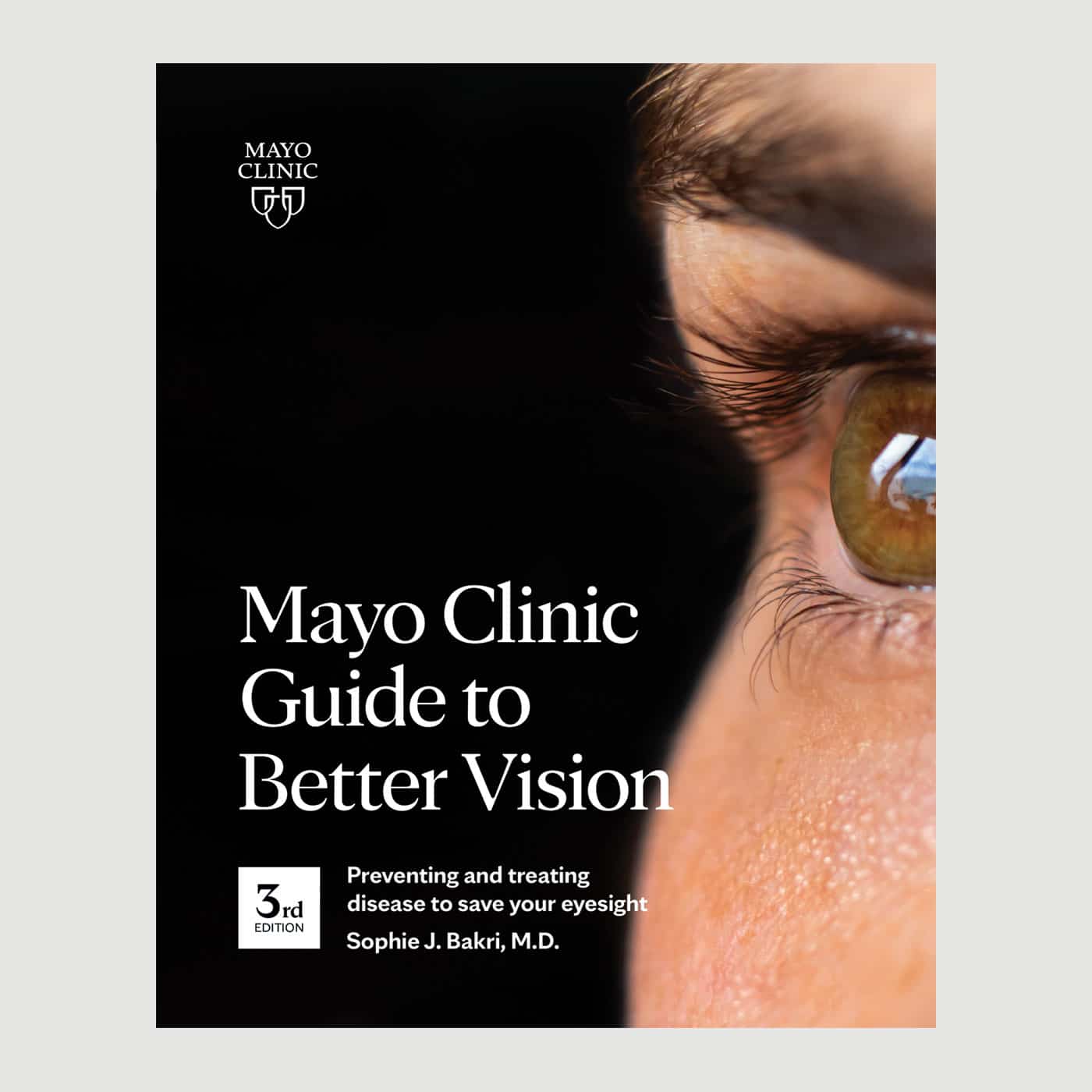
Mayo Clinic Guide to Better Vision, Third Edition
Mayo Clinic Guide to Better Vision, Sophie J. Bakri, M.D., walks readers through the diagnoses and treatment options associated with common eye issues, as well as preventive measures for protecting your eyes.