Eating out can be a fast, convenient solution to the ever-present question, “What should I make for dinner?” It can be a special, fancy experience to celebrate an anniversary or a birthday. And for some people, eating out may be the only affordable option, especially if they don’t live near supermarkets or grocery stores.
This means that for many people, regularly eating outside the home — whether dining at a five-star restaurant, grabbing a burger at a drive-thru or picking up a sandwich at the gas station — is a fact of life.
With that in mind, it’s important to think about how to choose healthy options when eating out.
Tips for making healthy choices when eating out
Maintaining a balanced diet can help you function well and boost your energy. It can also help with weight control and can help prevent or control chronic illnesses like diabetes, heart disease and hypertension.
“Many people need help managing their weight, have high blood pressure or are at risk of chronic disease,” says Katherine A. Zeratsky, RDN, LD, a registered dietitian and assistant professor of nutrition at Mayo Clinic in Rochester, Minnesota. “These people may have been advised to eat fewer calories, less saturated fat or less salt.”
But it’s all too easy to order an unhealthy meal when dining out.
For one thing, restaurant meals tend to have bigger portions, which means more calories.
One study showed that some frequently ordered restaurant meals in the U.S. — like a cheeseburger, spaghetti and meatballs, or tacos — can add up to 900 to 1,300 calories (or more!) in one meal. This can make it all too easy to exceed your daily calorie intake goal. Plus, many restaurant meals are so irresistible because they’re much higher in fats, sugars and salt than are dishes you would make at home.
How can you make healthy choices in these kinds of environments? Here are some tips to keep in mind.
Plan ahead before eating out
If you’re going to eat out, spend a little time thinking about what you might order and how you plan to get all your nutrients throughout the day. You can go online to review menus that fit your meal plan.
“It’s the planning,” says Zeratsky.”If I know I’m going to go out to a restaurant, I ask myself, ‘Are they going to have a salad, a side of broccoli, or a fruit bowl?’ If they don’t have those options, then where am I going to get it? Is it going to come from my house? Am I going to stop at the convenience store?”
According to U.S. Food and Drug Administration regulations, certain chain restaurants must have calorie counts on their menu boards, with more nutrition information like fat and sugar content available from the restaurant on request.
“If you’re going out and plan to eat 1,000 or 1,200 calories in the evening, you may have to have a lighter breakfast or lighter lunch,” advises Zeratsky.
Another strategy: You may want to have a healthy snack before heading out to a restaurant so that you don’t arrive hungry and overeat to compensate.
Eat better on the go
Try to sit for meals. Eating while driving or on the go can result in overeating because you’re distracted or bored. Or you might choose food that is easier to eat but less healthy, like french fries or chips.
If you’re in a rush, remember that fast-food joints are not your only options. You can pick up fruit and yogurt for breakfast or a prepackaged salad for lunch at the gas station instead of pancakes or a burger and fries at a fast-food restaurant.
Pay attention to methods of cooking
When eating out, pay attention to the cooking methods of menu items. For example:
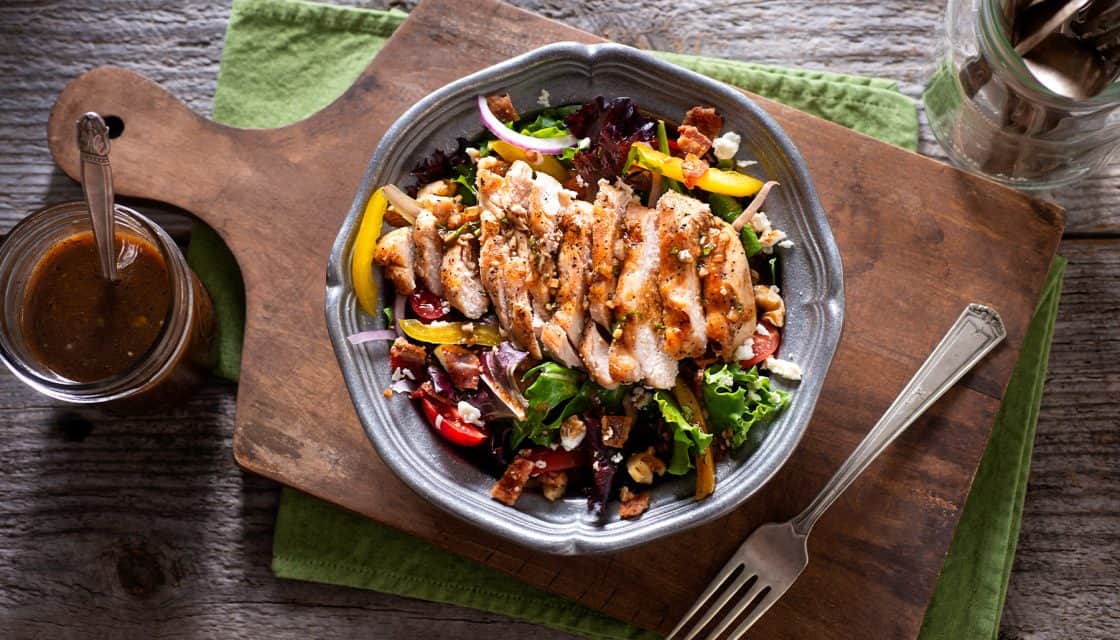
- Look for meals that are grilled, steamed or baked. These are usually healthier.
- Stay away from fried, breaded and stuffed foods.
- If you’re having soup, try a broth-, vegetable- or tomato-based soup. Creamed soups and chowders are generally higher in calories.
- Eat lean proteins. Chicken and fish are often good choices. When it comes to beef, choose lean cuts like top sirloin and top loin steak.
Scale back on the main entree
Restaurant meals tend to focus on the main entree, which is often made up of a starch and a protein. But entrees can be the least healthy portion of a meal.
“If you have a larger portion of your entree, that’s going to drive up the calories,” says Zeratsky. “If there’s more fat, if there’s more salt, those things drive up those undesirable nutrients.”
Instead, try to order more fruits, vegetables and whole grains. Zeratsky advises using the MyPlate method. In this method, half your plate should be filled with vegetables and fruits and the other half should be made up of grains and healthy protein. However, your ideal diet ultimately depends on factors like your level of activity and any chronic health conditions. Learn more at the MyPlate website.
When eating out, Zeratsky suggests ordering a salad, vegetable soup or a side dish of fruit. If you’re served a huge entree, try eating half of the serving and asking for a takeout container to take the rest home.
Ask for condiments and sauces on the side
Condiments and sauces add flavor to meals. But they can be high in sodium and unhealthy fats. Try asking for condiments and sauces on the side; this helps you control how much of these you consume.
Count the calories you drink
Most people think of dessert as unhealthy. So some people will skip it to cut back on calories — but then have three cocktails. Alcohol has 7 calories a gram — almost as many calories as a gram of fat.
“We so often overlook beverages,” says Zeratsky. “We think about the calories that we chew, but we don’t think about the calories we drink.”
And consider that many cocktails contain other high-calorie ingredients like coconut milk, pineapple juice or other mixers. Consuming alcohol can also impact decision-making, affecting your food choices.
Coffee drinks also can hide many calories, especially fancier coffee drinks like mochas or lattes. Be careful when adding creamers, whipped cream, or sugar and syrups to coffee. However, you can often swap out ingredients that are higher in sugar or fat, such as swapping skim milk for whole milk.
Moderation is key
Eating out isn’t necessarily a bad or an unhealthy choice. There are certain dishes, restaurants and dining out strategies that can play a role in a well-rounded diet that includes fruits, vegetables, whole grains, healthy fats, lean meats, fish, and plant-based proteins such as beans or tofu.
And of course, the occasional indulgence of a rich meal, special treat or celebratory dessert can fit into an otherwise healthy way of eating. Enjoy it and then return to your regular, healthy routine.
Relevant reading
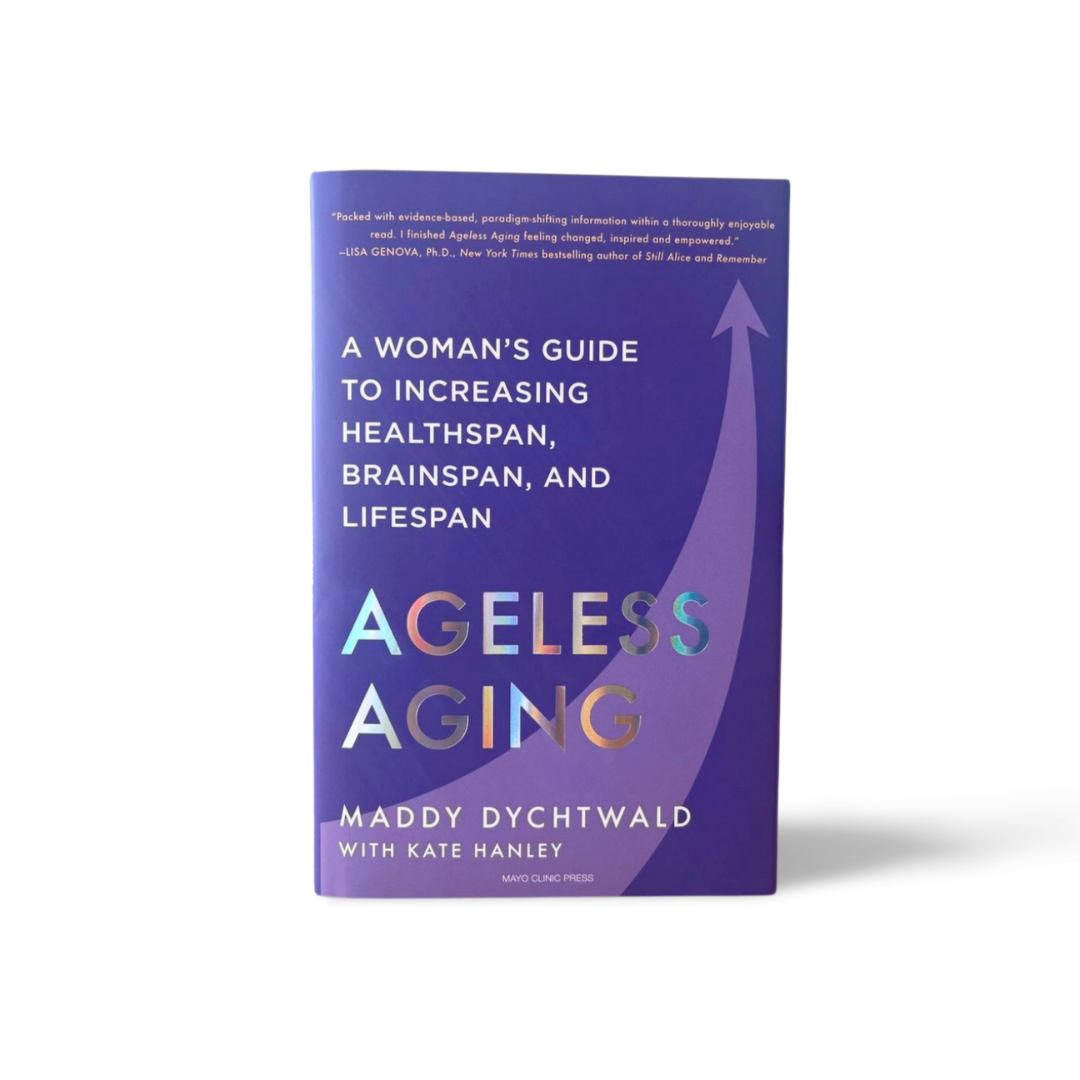
Ageless Aging
Women typically spend the last 14 years of their lives in a cascade of health issues. And while current research suggests that some 70 to 90% of your health and longevity is under your control—rather than at the mercy of your genes—the reality is that most women are not taking…