
Mayo Clinic does not endorse companies or products. Advertising revenue supports our not-for-profit mission.
Each time you inhale, air travels through your windpipe into tubes in your lungs called bronchial tubes or airways. These airways branch many times in your lungs, dividing into thousands of smaller, thinner tubes called bronchioles. At the end of each bronchiole are clusters of tiny air sacs called alveoli. Healthy lungs have about 300 million alveoli. Inside the walls of the alveoli, tiny blood vessels (capillaries) absorb inhaled oxygen and release carbon dioxide so that it can be exhaled.
Healthy bronchioles and alveoli are stretchy. When you breathe in, the little air sacs fill up like balloons. When you exhale, they deflate. Although a slight decline in lung function is a typical part of aging, it’s a different scenario for lungs damaged by the factors that cause chronic obstructive pulmonary disease, also called COPD.
Chronic obstructive pulmonary disease (COPD) is a group of lung diseases that limit airflow as you exhale and make it increasingly difficult for you to breathe out. COPD affects millions of Americans and is a growing health concern. It’s usually attributed to exposure to tobacco smoke or other airborne irritants over a lengthy period — typically at least a decade. Most often, it affects smokers or former smokers.
Left untreated, COPD progresses and literally takes your breath away. It’s a leading cause of death in the U.S. and around the world.
With COPD, the airways can be thickened or plugged with mucus, and the air sacs can be destroyed and very floppy. As a result, the lungs can’t expel air as well, so they become less efficient. Changes due to COPD accelerate the typical age-related decline in lung function — and the damage is only partially reversible.
That’s why early diagnosis, treatment and prevention — particularly quitting smoking and being physically active — are critically important. When COPD is detected earlier and at a milder stage, management means that your symptoms will remain tolerable for longer and may even improve.
What lifestyle changes can help improve COPD?
COPD treatment focuses on minimizing further lung damage, controlling symptoms and preventing complications, particularly COPD flare-ups called exacerbations. First and foremost is eliminating exposure to the irritant that’s damaged the lungs. For most people, that’s tobacco smoke. If you smoke — whether cigarettes, cigars, pipes or vaping devices — it’s especially important to stop to keep your COPD from getting worse. After stopping smoking, lung function may improve slightly, though it doesn’t usually return to standard function. More importantly, the decline in lung function after you quit is much slower than if you continue smoking.
Vaccination against COVID-19 greatly reduces the risk of severe COVID-19 infection and death from COVID-19. Vaccination against the flu (influenza) is strongly recommended for people with COPD. Annual flu shots reduce the risk of hospitalization for a respiratory problem by up to 50%. Vaccinations against pneumococcal pneumonia; tetanus, diphtheria, and possibly whooping cough (Tdap or Td); and shingles also are recommended for adults 65 and older. And adults 60 and older should discuss vaccination against the respiratory syncytial virus (RSV) with their healthcare teams.
Adopting a physically active lifestyle is important — active people with COPD have fewer symptoms. Specifically, studies show that people with COPD who walk more than two hours a day manage better.
What medications are available for COPD?
Several groups of medications reduce both the symptoms and flare-ups of COPD. The drugs work differently but also are complementary. Some are taken regularly, and others are taken as needed. Many COPD drugs come as combination therapies.
The categories of drug treatments include:
Bronchodilators. These drugs help relax muscles around your airways to improve airflow. They usually come in inhalers or nebulizers. They can help relieve coughing and make breathing easier. They also reduce the frequency of COPD flare-ups (exacerbations). Based on the severity of your COPD, you may need a short-acting bronchodilator just before activities, a long-acting one for everyday use or both.
Long-acting bronchodilators are typically prescribed if you have moderate to severe COPD. There are two classes of long-acting bronchodilators: long-acting muscarinic antagonists (LAMAs) and long-acting beta-agonists (LABAs). LAMAs and LABAs often are used in combination and have different benefits. Both relieve symptoms through different mechanisms. Only LAMAs have been shown to improve survival.
Inhaled corticosteroids. These drugs reduce airway inflammation and are key to preventing frequent exacerbations — meaning more than one a year — in both asthma and COPD. Exacerbations cause most hospitalizations among people who have COPD. In the wake of an exacerbation that requires hospitalization, inhaled corticosteroids may be prescribed for six months or even longer. These medications increase skin bruising and the risk of pneumonia, cataracts and glaucoma. However, these side effects can be monitored and managed if they occur.
Systemic corticosteroids. These are given short term for treatment of acute exacerbations. They may be taken orally but are often given intravenously for severe exacerbations requiring hospitalization.
Antibiotics. These may be prescribed to treat moderate or severe acute exacerbations, most often caused by infections.
Oxygen. COPD can advance to the point where supplemental oxygen may be needed if there isn’t enough oxygen in your blood. Supplemental oxygen helps relieve shortness of breath only if your oxygen level is reduced. Oxygen delivery devices can be lightweight and easily portable. Some people require constant use of oxygen, while others need it only for vigorous activities or while sleeping.
Additional drugs to prevent acute exacerbations. Roflumilast (Daliresp) is a daily oral anti-inflammatory medication prescribed to prevent exacerbations in certain people. Azithromycin (Zithromax) may be taken on a daily basis or three times weekly and has been shown to reduce the frequency of COPD exacerbations. The benefit is noted in frequent exacerbators who are already on maximal inhaler treatment and are no longer smoking.
Mucoactive drugs, such as N-acetylcysteine (Acetadote), aren’t proven to be beneficial for exacerbations.
What other options are there for COPD treatment?
Surgery may be considered for people with severe emphysema that isn’t helped enough with medications alone. Lung volume reduction involves either bronchoscopic placement of valves in the airways or open surgery to remove damaged lung tissue. This reduces airflow to the most diseased parts of the lungs. Either method creates extra space for the remaining healthier lung tissue and diaphragm to work more efficiently. Lung transplantation, either single lung or double lung, may be an option for certain people with severe emphysema. These surgeries are specialized options for a very small subset of people with COPD.
Finally, a pulmonary rehabilitation program can be your opportunity to better understand COPD and to adopt a lifestyle that reduces symptoms of COPD and improves your quality of life. It’s customized to your needs, considering your personal roadblocks. Typically, these programs are coordinated by a healthcare team and combine education with the introduction of a more active lifestyle. By mastering daily exercise routines, you build confidence in your ability to be active as your performance improves. Regular exercise also improves endurance and the efficiency of your cardiovascular system.
Living with COPD
It is possible not just to live with COPD, but to live a full and active life. This is especially true if you are willing to take your medications regularly, improve your diet, exercise more and stick with a treatment plan.
Mayo Clinic does not endorse companies or products. Advertising revenue supports our not-for-profit mission.
Relevant reading
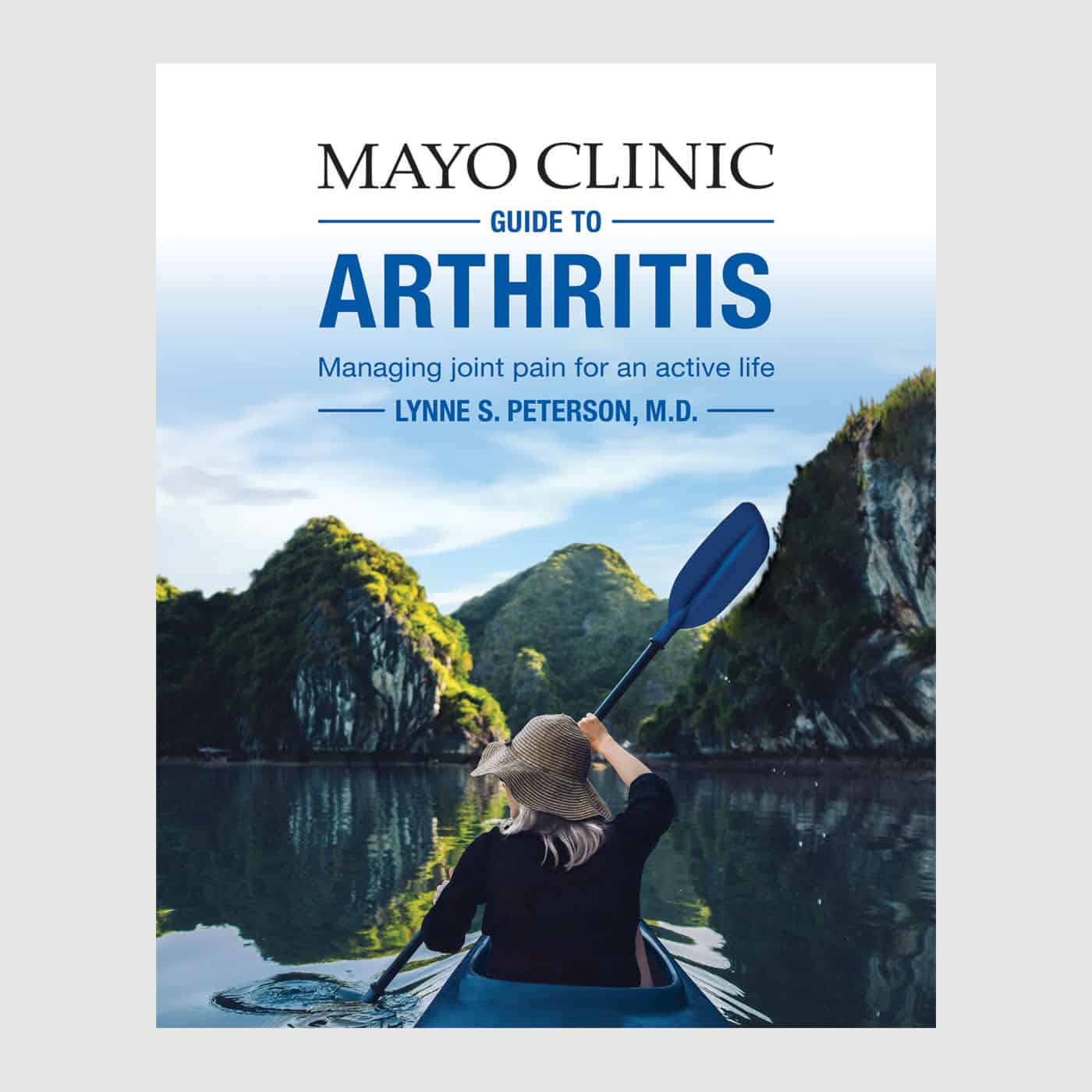
Mayo Clinic Guide to Arthritis, Second Edition
From the rheumatology experts at Mayo Clinic comes a complete guide on arthritis. This book is filled with proven, science-based research on arthritis and its related conditions, recommended treatment plans for relieving joint stiffness and pain, and essential self-care tips to help you live a life free from debilitating arthritis…