

Mayo Clinic does not endorse companies or products. Advertising revenue supports our not-for-profit mission.
Unlike many other health problems — such as a broken bone or high blood pressure — a mental illness such as depression can come with fears, misunderstanding, and stigma that can make it difficult to seek care and stick with a care plan.
In addition, treatment for depression typically isn‘t a quick fix. It can take time and effort to work with healthcare professionals to find a medication or other medical therapy that helps ease symptoms. In addition, it often takes time to learn skills to get the full benefit of talk therapy. It can take persistent self-care to make the most of the medical care you receive.
Caring for yourself
Use the following tips to be a successful partner in your own care:
Get treatment
Don’t let the fear of being labeled with a mental illness prevent you from seeking help. Many effective treatments exist. Treatment can provide relief by identifying what’s wrong and reducing symptoms that interfere with your quality of life. Remember, mental health is just as important as your physical health.
Stay in touch
If you have a mental illness, you may be reluctant to tell anyone about it or talk about it with others. Avoidance is also common when we become more distressed. Your family, friends, clergy or members of your community can only offer you support if they know about your struggles. Reach out to people you trust for the compassion, support and understanding you need.
No matter how things are going, you should communicate regularly with members of your healthcare team. Treating a mental illness such as depression comes with a lot of complexity. It may take multiple tries to find a treatment strategy or combination that fits each person best. Your healthcare team can talk with you about adjustments in treatment if needed.
Create a daily schedule
Keep a normal routine. Include meals and snacks, and when you’ll go to bed and wake up to ensure adequate sleep. Set time aside to do activities you enjoy. Include time to spend with other healthy people.
Add exercise to your life
Regular exercise can improve your mood and feelings of well-being. It also can lessen irritability, add energy, and improve your sleep and eating habits. Check with your healthcare team before beginning an exercise program.
Stick with your medications and therapy appointments
The point at which people begin to feel improvements in mood and other symptoms varies, but it may take up to 4 to 8 weeks to feel a noticeable difference. It is important to give each medication enough time to build up for optimal benefit. You may experience uncomfortable side effects, especially when you first start taking medications. If the side effects are hard to tolerate, talk to your healthcare provider right away. It’s important to give medications a fair trial, and adjustments can be made to help you better manage the side effects. Keep taking your medications even when you start to feel better — unless you are advised to stop by your healthcare provider. Remember that there are other medications to try in case the first one does not work for you. Also, be consistent with going to therapy appointments. You and your therapist can work on learning, practicing and modifying coping skills to help you feel better.
Mayo Clinic does not endorse companies or products. Advertising revenue supports our not-for-profit mission.
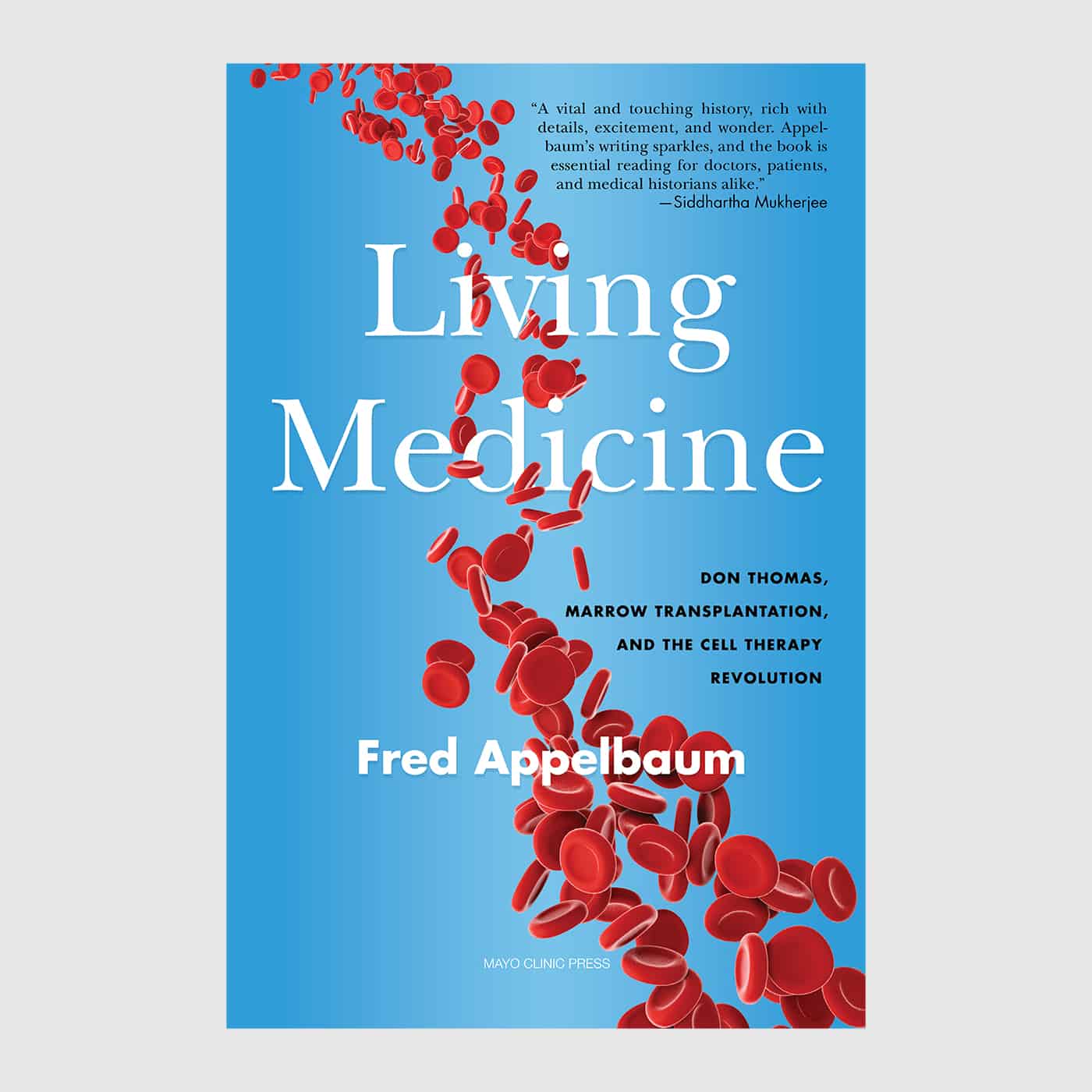
Relevant reading
Living Medicine
A sweeping biography of the visionary behind bone marrow transplantation and the story of the diseases cured by Don Thomas's discovery.