
Are you a 40-something-year-old, living your best healthy life? Is an eventual colonoscopy at 50 barely even a thought in the back of your mind? If so, think again.
As of 2021, recommendations say to start colon cancer screening at age 45, and that’s for those of us with average risk. If you have a first-degree relative with colon cancer or other risk factors, your healthcare team may recommend that you begin screening even earlier.
As unwelcome as this news may be, it’s important to consider the reasons behind the guideline change and what this means for you in your own health journey.
Increasing colon cancer rates in the younger generation
In the United States and many places worldwide, diseases common in older populations are cropping up more and more frequently in the young and unsuspecting. This list includes heart disease and heart attacks, diabetes, and — you guessed it — colon cancer. In 2020, those under age 54 made up 20% of colorectal cancers, an alarming increase from just 11% in 1995. With this increase, men under 50 are now more likely to die from colorectal cancer than from any other cancer.
What’s more concerning, younger patients may have more-aggressive cancers with poorer prognoses, making early detection even more important.
Why is this happening?
Some young people with colon cancer have an inherited gene mutation to blame, but for most, the cause of their colon cancer is unknown. Research regarding the matter is underway with some promising findings, but much remains to be discovered.
For now, medicine has some ideas: Known risk factors for colon cancer at any age include:
- Smoking.
- Obesity.
- Low fiber diets.
- Alcohol consumption.
- Red meat consumption.
- A sedentary lifestyle.
Youth obesity and diets made up of largely processed foods are on the rise, so these factors are likely contributing to young-onset colon cancer. Recent research has specifically shown that women who have high intakes of sugared drinks have higher rates of early-onset colon cancer.
However, the rapid increase of colon cancer in younger people also suggests that there are significant underlying factors that we do not yet know about.
Other possible but unproven contributors may include toxins, plastics, inflammation, stress, processed food dyes and additives, and even certain medications. The specific composition of bacteria in an individual’s gut (known as the microbiome) also may play a role.
The causes behind the rising rate of colon cancer in the young are likely to be multiple and complex. Because of this, even if you are a fiber-loving, bodybuilding, nonsmoking, prime-time hotshot, the recommendation for colonoscopy starting at age 45 applies to you too.
Colon cancer screening
The good news is that colon cancer screenings are effective, having transformed one of the most common and deadly cancers into a disease that can be prevented or detected earlier and thus more easily treated with better outcomes. In colonoscopies, budding pre-cancer lesions in the form of small polyps can even be removed during the procedure, heading off cancer long before it has the opportunity to take root. And if your colonoscopy is negative, you won’t have to worry about the next one for another 5 to 10 years.
While colonoscopy is considered the “gold standard” recommendation for colon cancer screenings, there are several other colon cancer screening options if you’re hesitant. After all, the best colon cancer screening is the one you will actually complete.
What the future holds
As an internal medicine resident interested in oncology, I have spent no small amount of time contemplating cancer screening for my patients, my parents and myself. In his last colonoscopy, my father had several pre-cancerous polyps removed, which made me both grateful for his decision to get screened and mindful that I too may benefit from such preventive treatment when my own time comes.
While getting a colonoscopy might not be anyone’s idea of a good time, colon cancer screenings exist to keep us healthy enough to enjoy future good times for as long as we can.
When I turn 45, you can bet that I will be first in line for my own colonoscopy.
Relevant reading
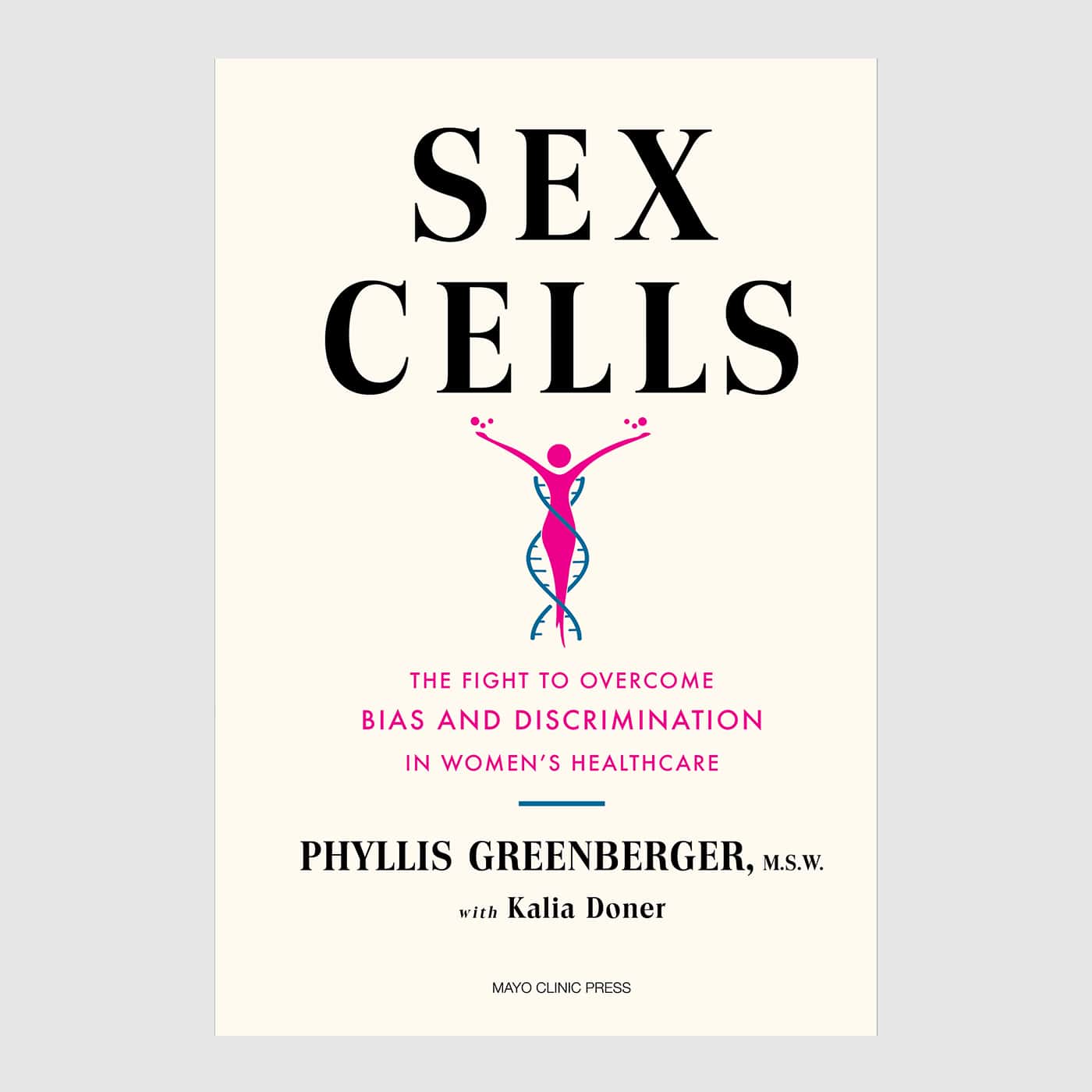
Sex Cells
Sex Cells is the tale of getting the scientific and medical world to recognize that women are unique. This book gives readers access to the wide world of sex-specific medical issues as they play out in the research labs and doctor’s offices, and how women pay the price, with a…