
Mayo Clinic does not endorse companies or products. Advertising revenue supports our not-for-profit mission.
Prostate cancer in its early stages typically isn’t painful. However, once the cancer has spread beyond the prostate gland to nearby bone — the pelvic bones and, eventually, the spine — it may produce intense pain. For reasons that aren’t clear, prostate cancer cells often migrate to bone tissue as they spread.
You don’t need to endure pain as you manage your cancer. There are effective methods for relieving prostate cancer pain. Many times, hormone therapy medications used to treat the cancer also help reduce pain associated with its spread. Your doctor may recommend other approaches.
Treating local pain
Sometimes prostate cancer pain is confined to a specific location in your body, such as your lower back. Options for treating confined (localized) pain include the following:
External beam radiotherapy
With this procedure, a high-energy radiation beam is focused on locations where the cancer has spread and is causing pain (for more on this therapy, see page 126). External beam radiotherapy requires careful, precise planning that targets the cancer and reduces damage to adjoining bone and tissue. Treatment is usually effective in completely or partially relieving symptoms.
Radioactive drugs
Doctors may consider radioactive drugs (radiopharmaceuticals) to help relieve symptoms when the cancer has spread to multiple sites in bone and it can’t be treated with standard radiation therapy. The radioactive elements samarium (Quadramet), strontium (Metastron) and radium 223 (Xofigo) are used in this targeted approach.
A radioactive drug is injected into your bloodstream, which carries the radioactive element to your bones where it’s absorbed. Cancerous bone tissue absorbs more of the radioactive substance than does healthy tissue — which helps concentrate most of the drug at the source of your pain. The radiation kills the cancer cells.
The effects of samarium and strontium can last for several weeks or months, and sometimes even a year. If you find these injections helpful, you may receive more than one, but usually no more frequently than once every two months.
Radium 223 (Xofigo) is the newest radiopharmaceutical for delivering targeted radiation. Radium 223 targets cancer that’s spread to the bones with alpha particles (a type of radiation). The drug can be given before or after chemotherapy. In addition to relieving pain, studies show that among men whose cancer has spread to bone, treatment with radium 223 can extend survival compared with men treated only with pain medications. Radium 223 is given in six treatments, a month apart. It delivers very high amounts of therapy to the tumor and very little radiation to surrounding healthy bone.
Depending on the dose you receive and the element used, your urine may be radioactive the first few days after an injection of a radioactive drug and you must dispose of it in a hazardous waste container. Following treatment, your white blood cell and blood platelet counts may temporarily decrease, putting you at increased risk of an infection. Therefore, you’ll likely undergo regular testing to monitor your blood counts.
Nerve block
With a nerve block, an anesthesiologist injects numbing analgesic drugs into nerves at the pain site. This procedure works especially well if your pain is in a specific area where nerves can be identified and targeted.
Cryoablation
This minimally invasive procedure can achieve good pain control by freezing cancerous tumors in bone or in surrounding tissue.
Radiofrequency ablation
A procedure called radiofrequency ablation can provide safe, effective relief of severe cancer-related one pain when other treatments have failed.
In this procedure, a thin needle is inserted through the skin and guided to a cancerous tumor using computerized tomography (CT) or ultrasound imaging. A high-frequency current that creates intense heat is delivered through wires (electrodes) to the tumor. The heat deadens cancerous tissue. The treatment may also destroy nerves in the region that carry pain messages from the tumor site.
Radiofrequency ablation isn’t a permanent solution for pain relief. The nerves often grow back, and the procedure may need to be repeated.
Surgery
Sometimes surgery is required to fix a fracture that’s developed where bone has become weakened due to cancer.
Treating general pain
Sometimes pain isn’t limited to a specific location. It may occur across a broader region of your body. This is often referred to as general or systemic pain.
If you have pain related to cancer, try to rate your experience of it on a scale of 1 to 10 — with 1 being no pain and 10 being the worst pain imaginable (see the graph below). This will help you and your doctor assess the impact the pain is having on your life. Medications are often the first course of treatment for general pain.
Medications
If your pain is mild and no more bothersome than a headache, an over-thecounter pain reliever may be all you need to manage it. If your pain is more intense, your doctor may prescribe a stronger prescription medication.
Opioids (narcotics) are drugs that are commonly recommended to relieve cancer pain. Some opioids are natural compounds derived from the opium poppy plant, while others are synthetic. Opioids include drugs such as codeine, fentanyl, hydromorphone, methadone, morphine and oxycodone.
Opioids produce many side effects including mild dizziness, drowsiness, sedation and unclear thinking. Other side effects may include fatigue, constipation, nausea and vomiting. Ask your doctor about ways to manage these effects while taking the drugs.
Opioids are powerful pain relievers. When taken in small amounts for short periods, they generally cause only minor side effects. But when opioids are taken in increasing doses for several weeks or months, the side effects can impair your ability to function in daily life. This can place your goal of adequate pain relief at odds with your goal of improved quality of life. You and your doctor need to work out the best approach when considering narcotic medications.
Another potent painkiller is tramadol. Like other opioids, this prescription medication interferes with the transmission of pain signals. Tramadol also triggers the release of natural hormone in your body that help decrease your perception of pain. Side effects tend to be similar to those of other opioids.
Mayo Clinic does not endorse companies or products. Advertising revenue supports our not-for-profit mission.
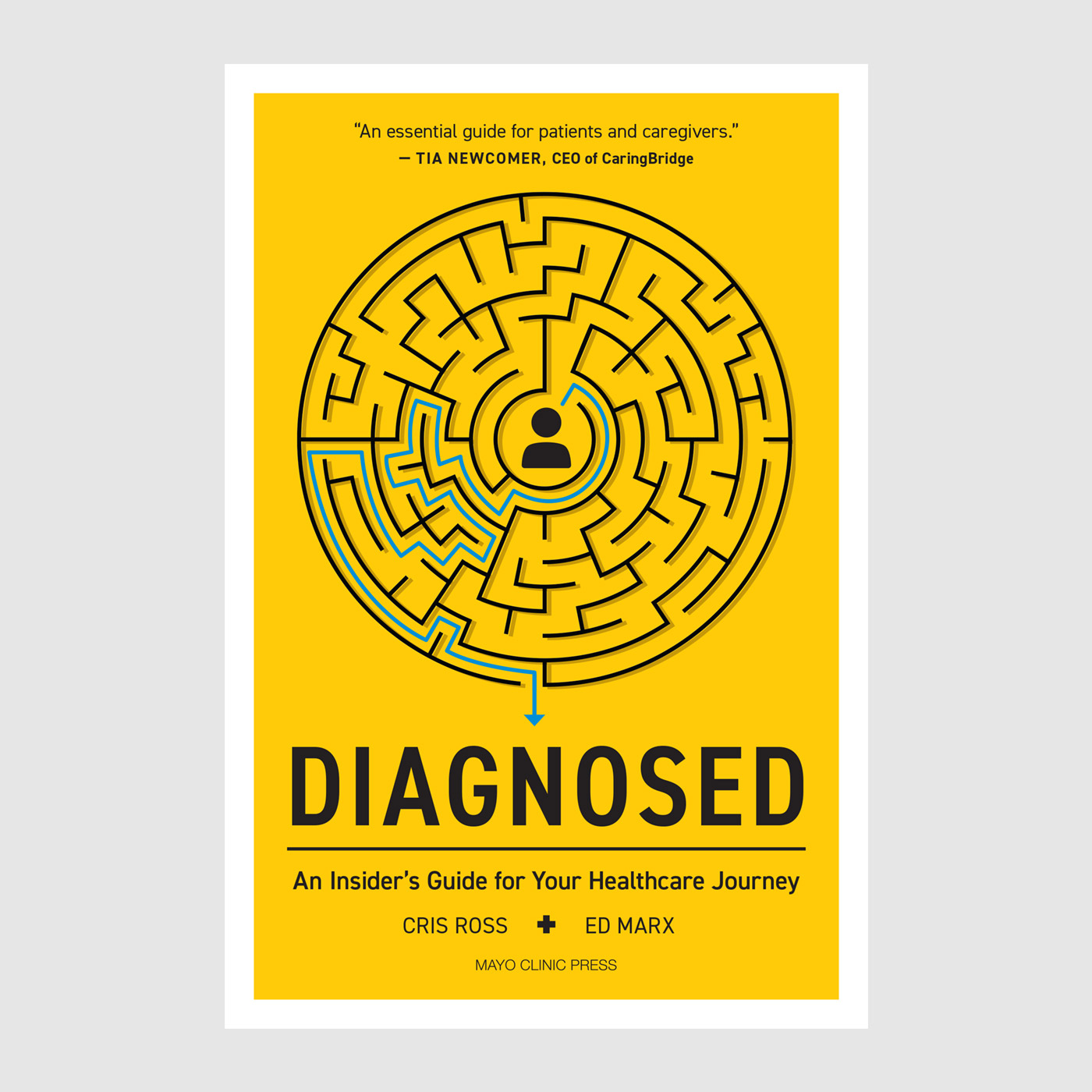
Relevant reading
Diagnosed
Foreword by Tia Newcomer, CEO of CaringBridge When Cris Ross and Ed Marx were diagnosed with cancer, they thought they knew what to do next. They were, after all, executives at two of the premiere hospitals in the United States—Mayo Clinic and Cleveland Clinic. But even decades of obsessing about…